Mid-Continent Railway MuseumPosted on by Jeffrey Lentz
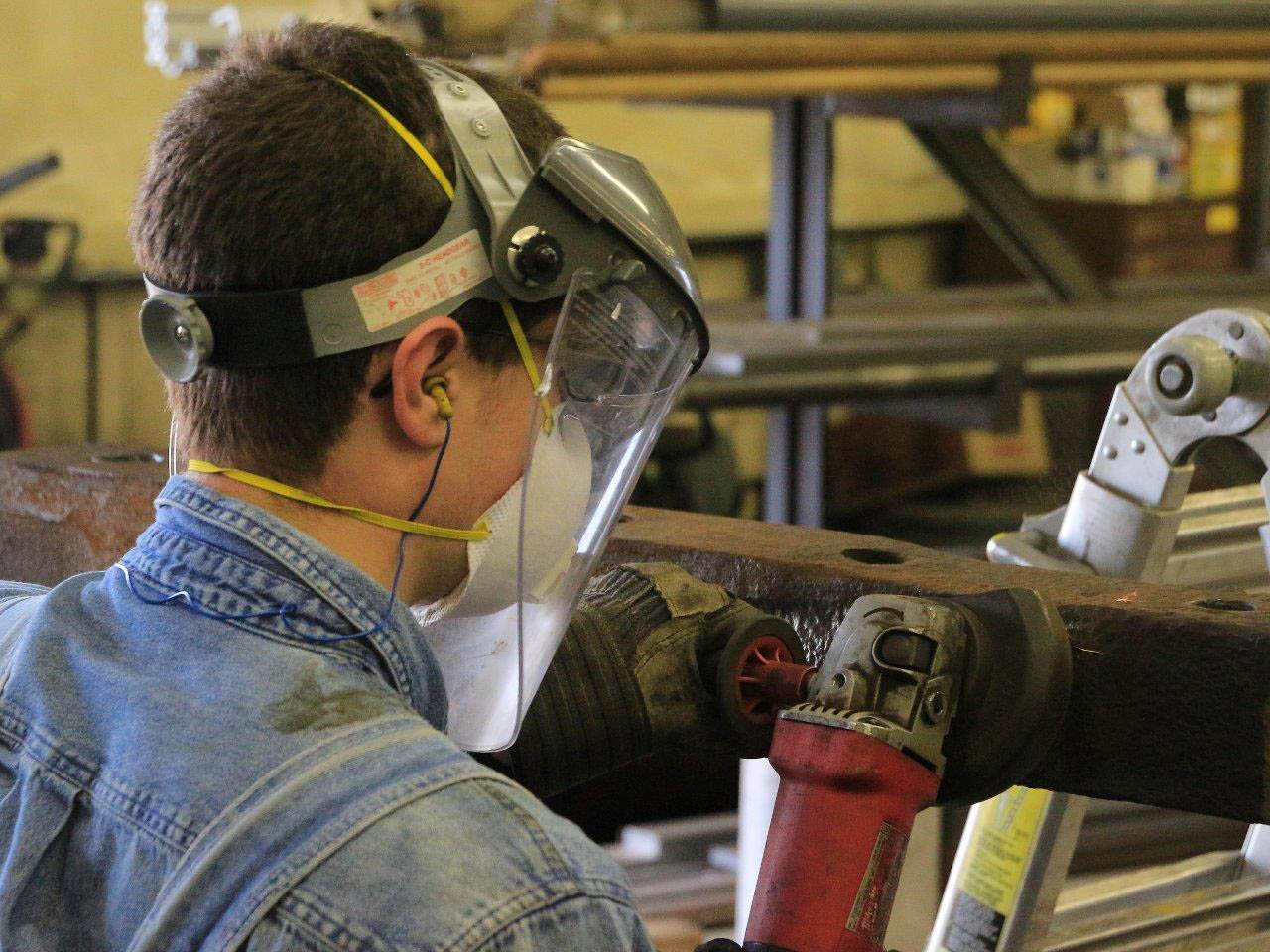
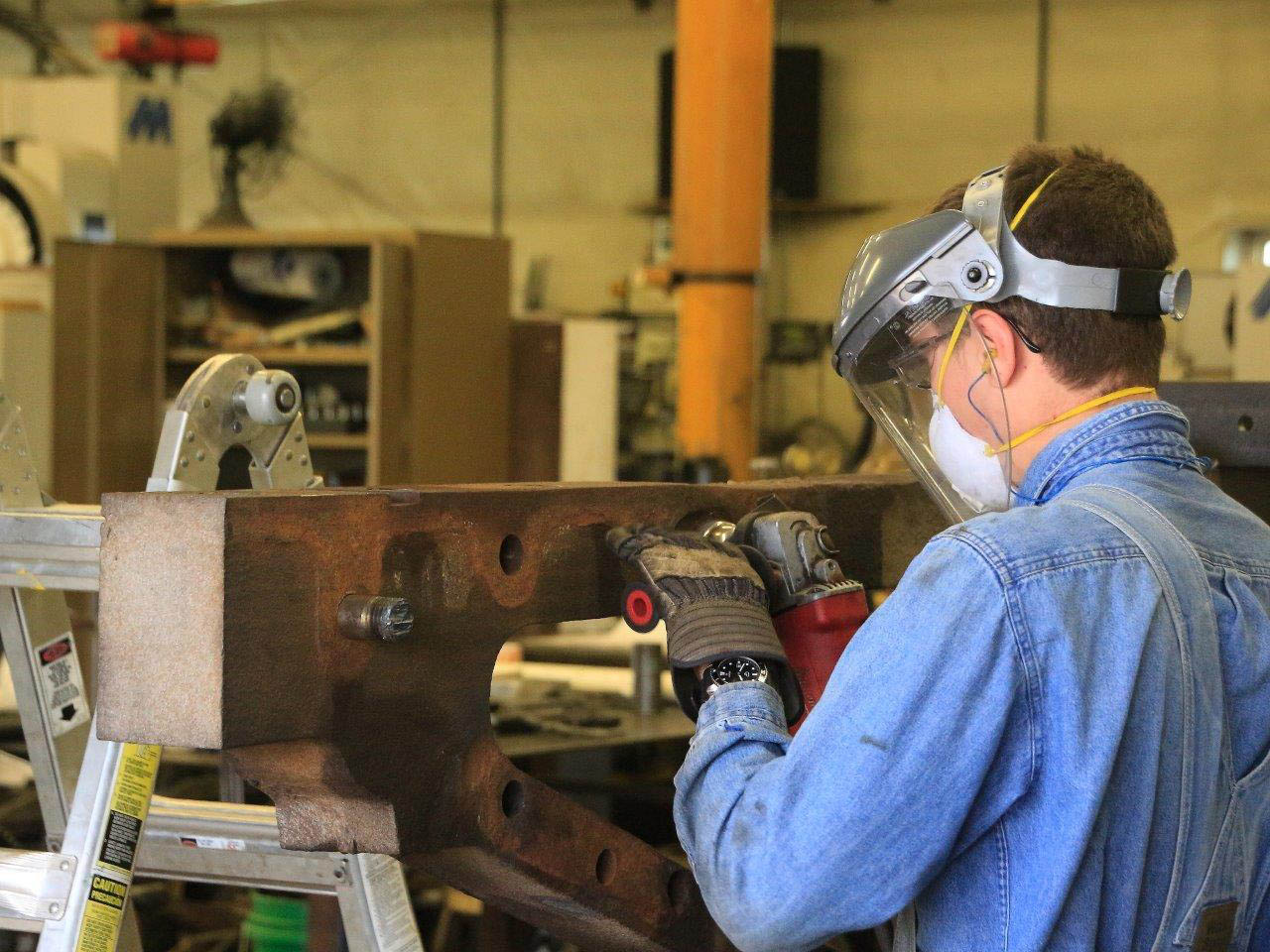
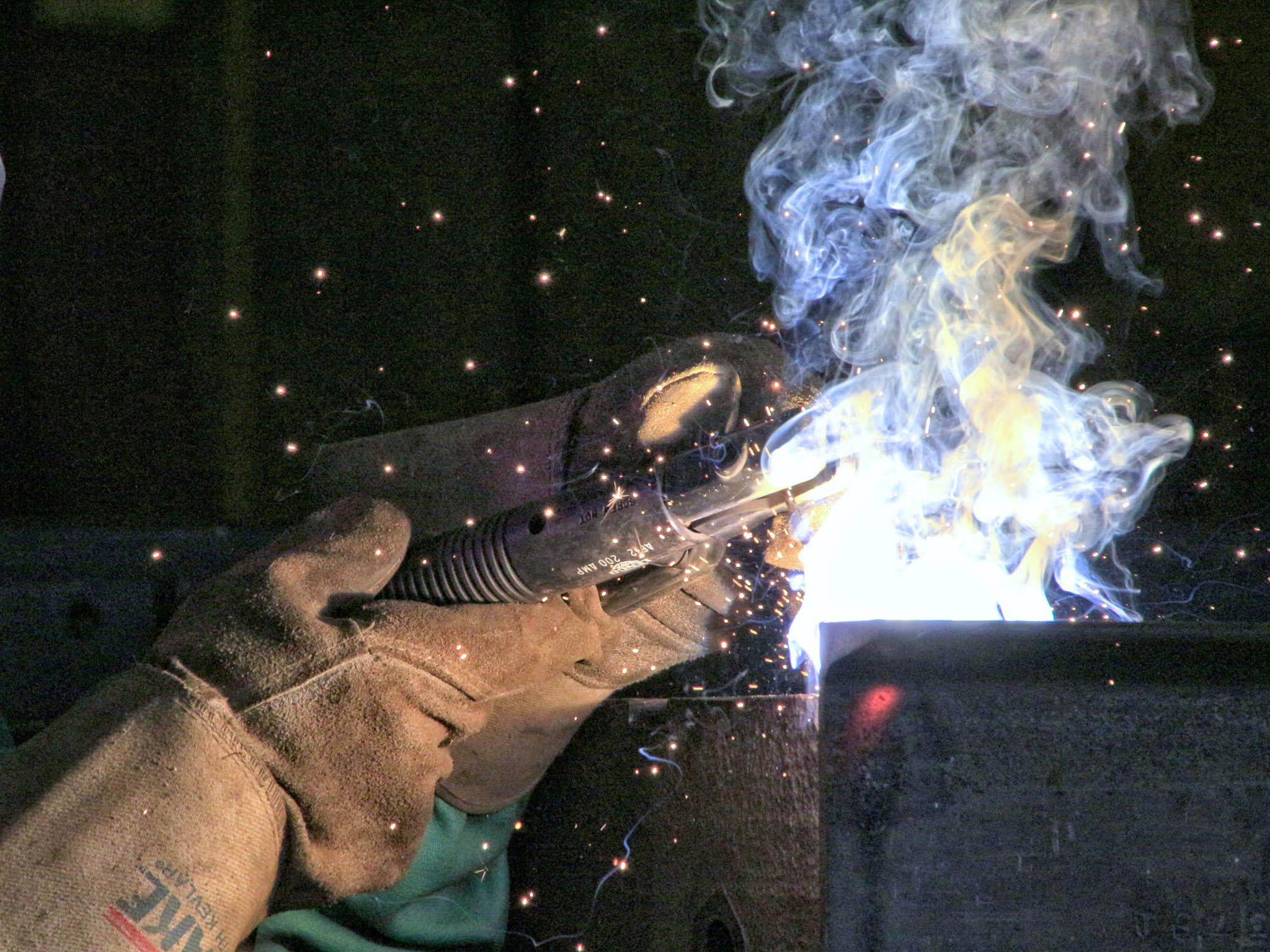
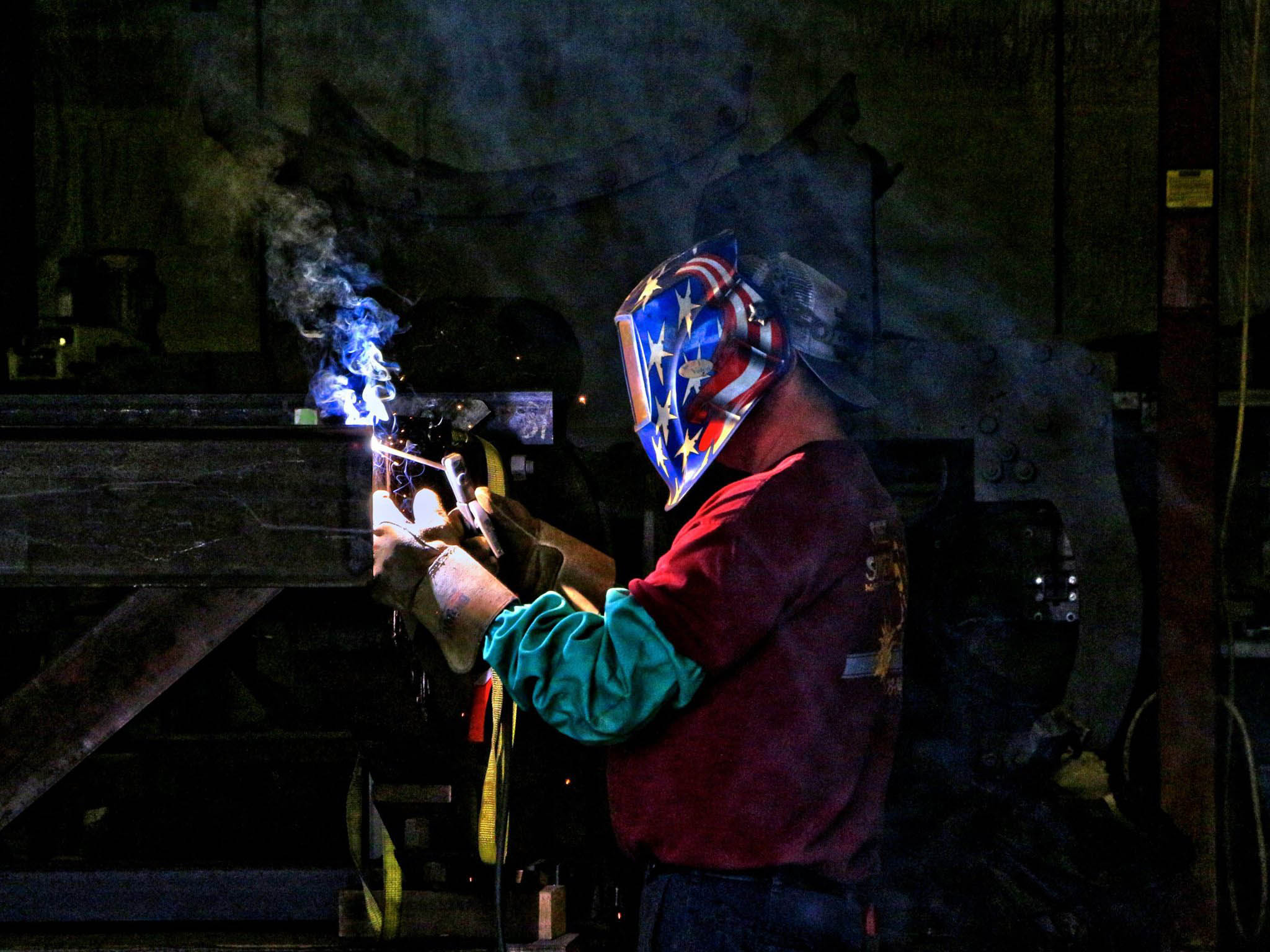
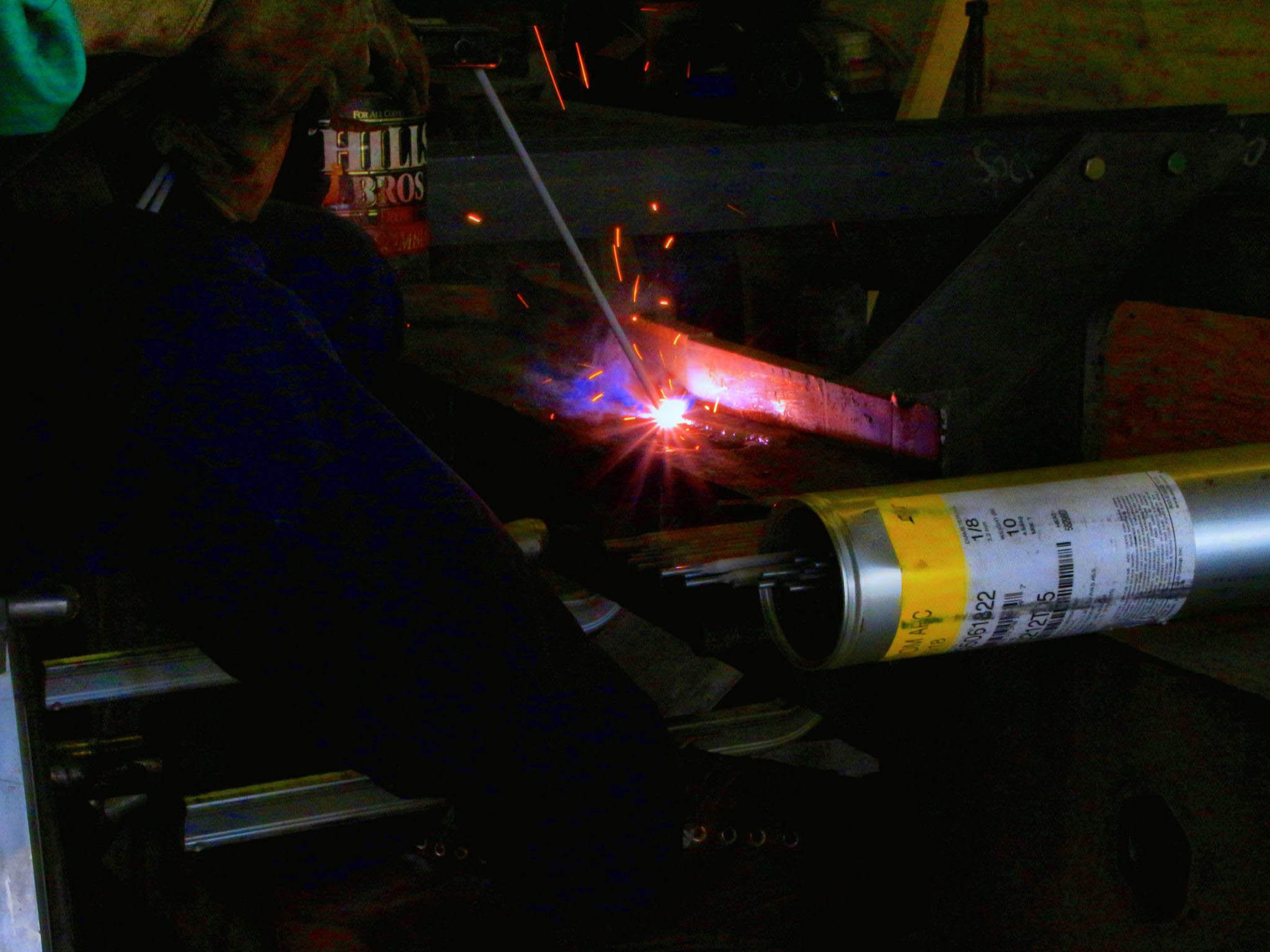
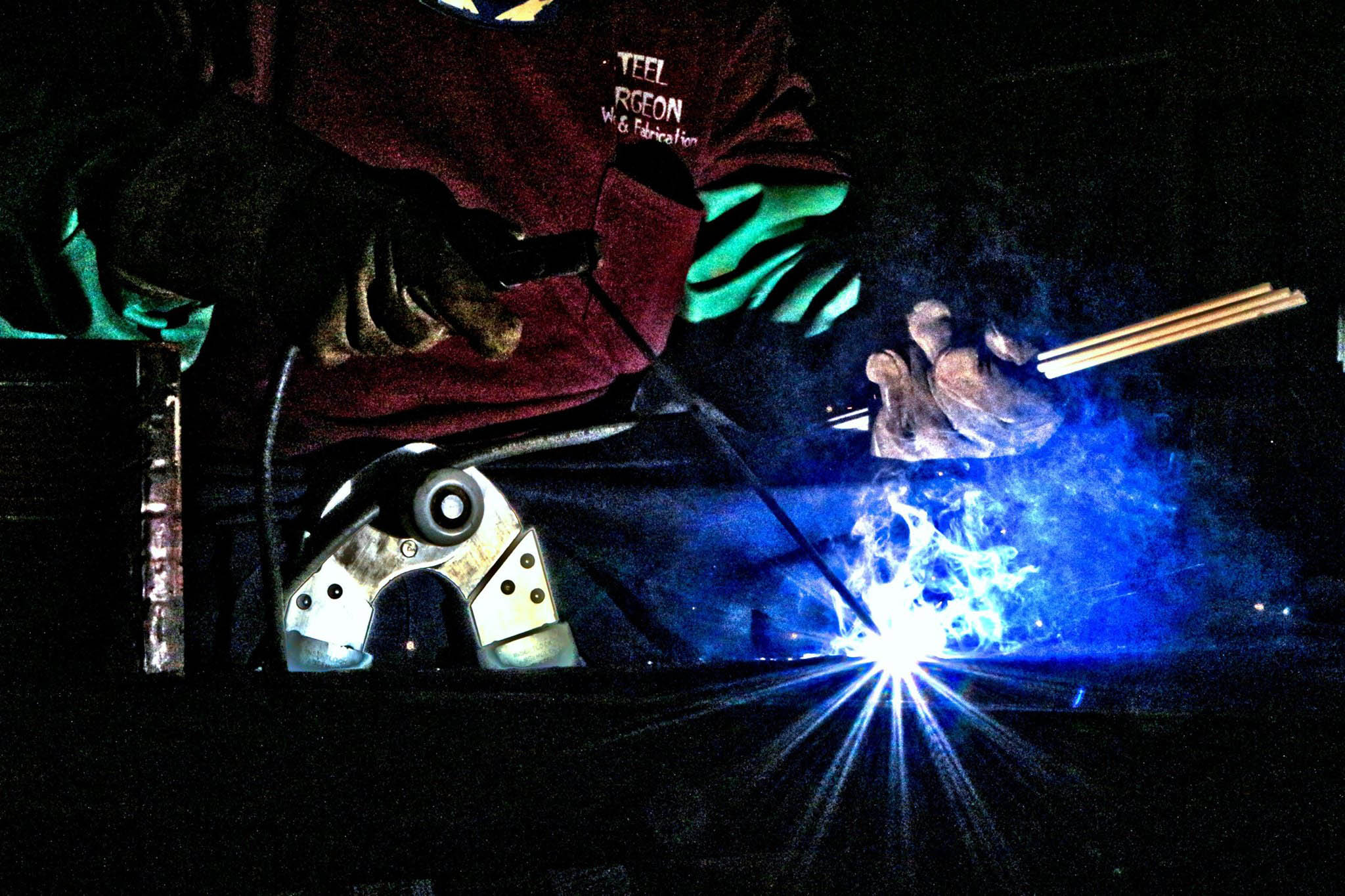
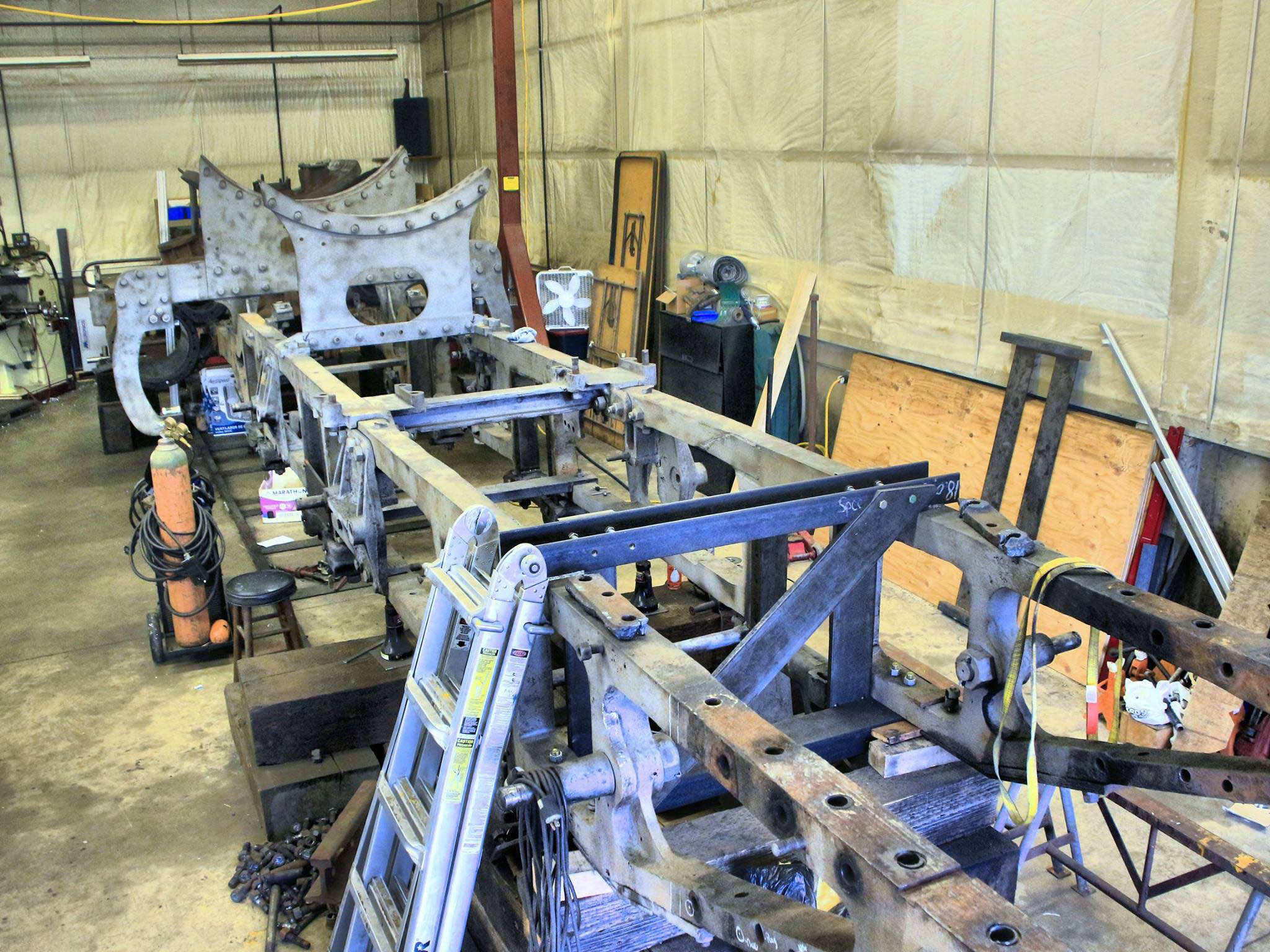
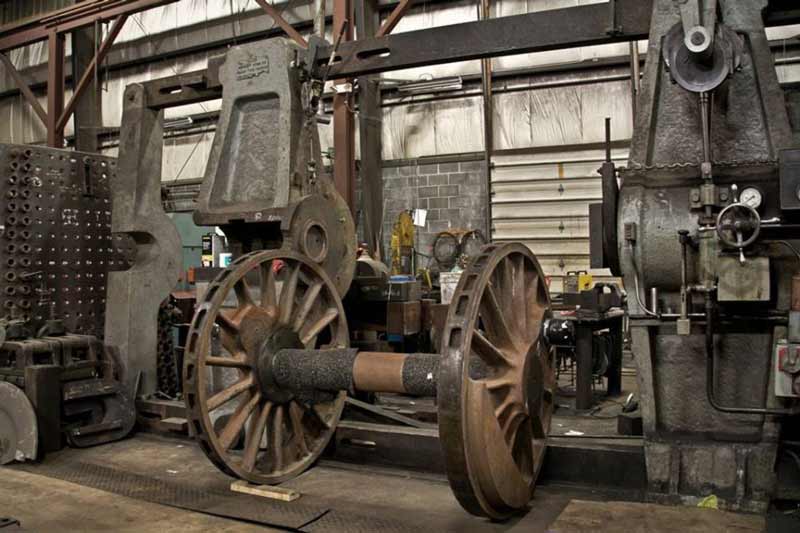
Work on the restoration of Mid-Continent’s ex-C&NW R-1 class ALCO locomotive, No. 1385, has quietly progressed through the summer months at SPEC Machine near Middleton, Wisconsin. Project photographer Brian Allen stopped by SPEC Machine’s shop on Tuesday, September 16, 2014 to provide some views of the recent efforts.
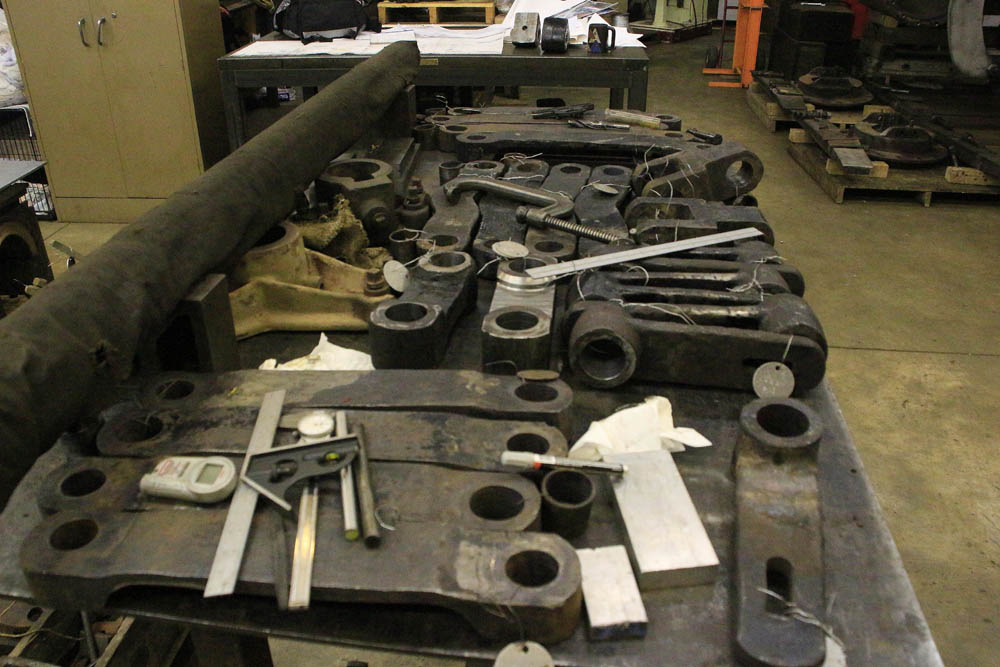
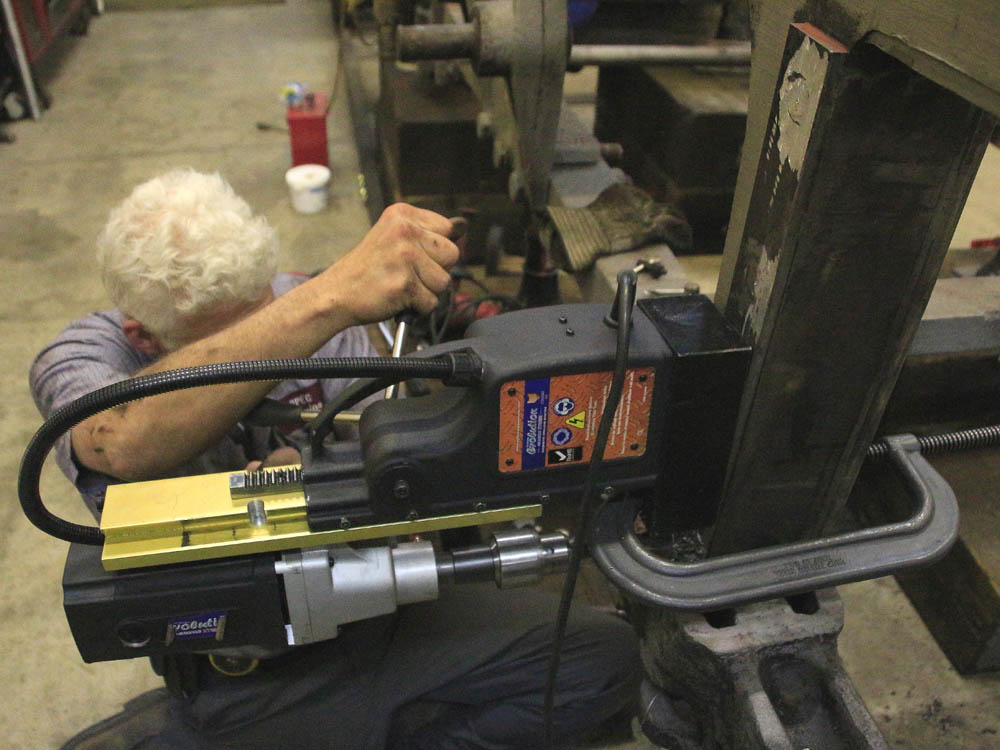
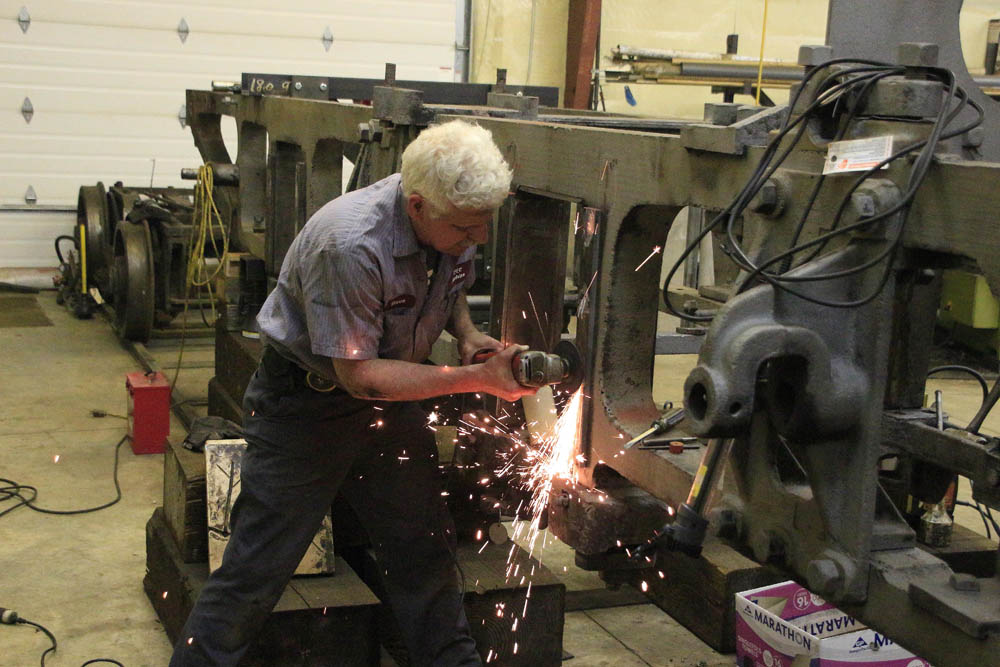
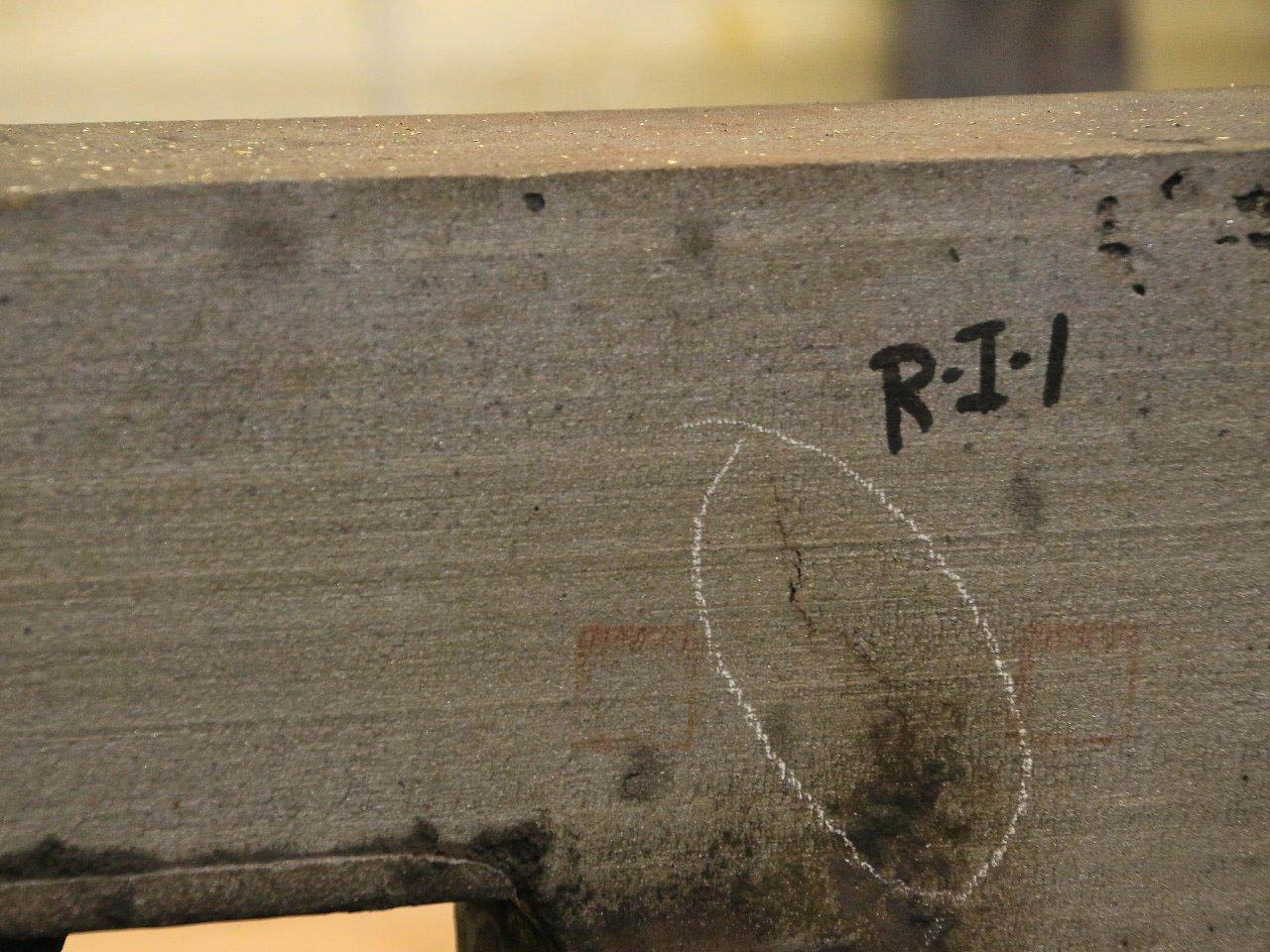
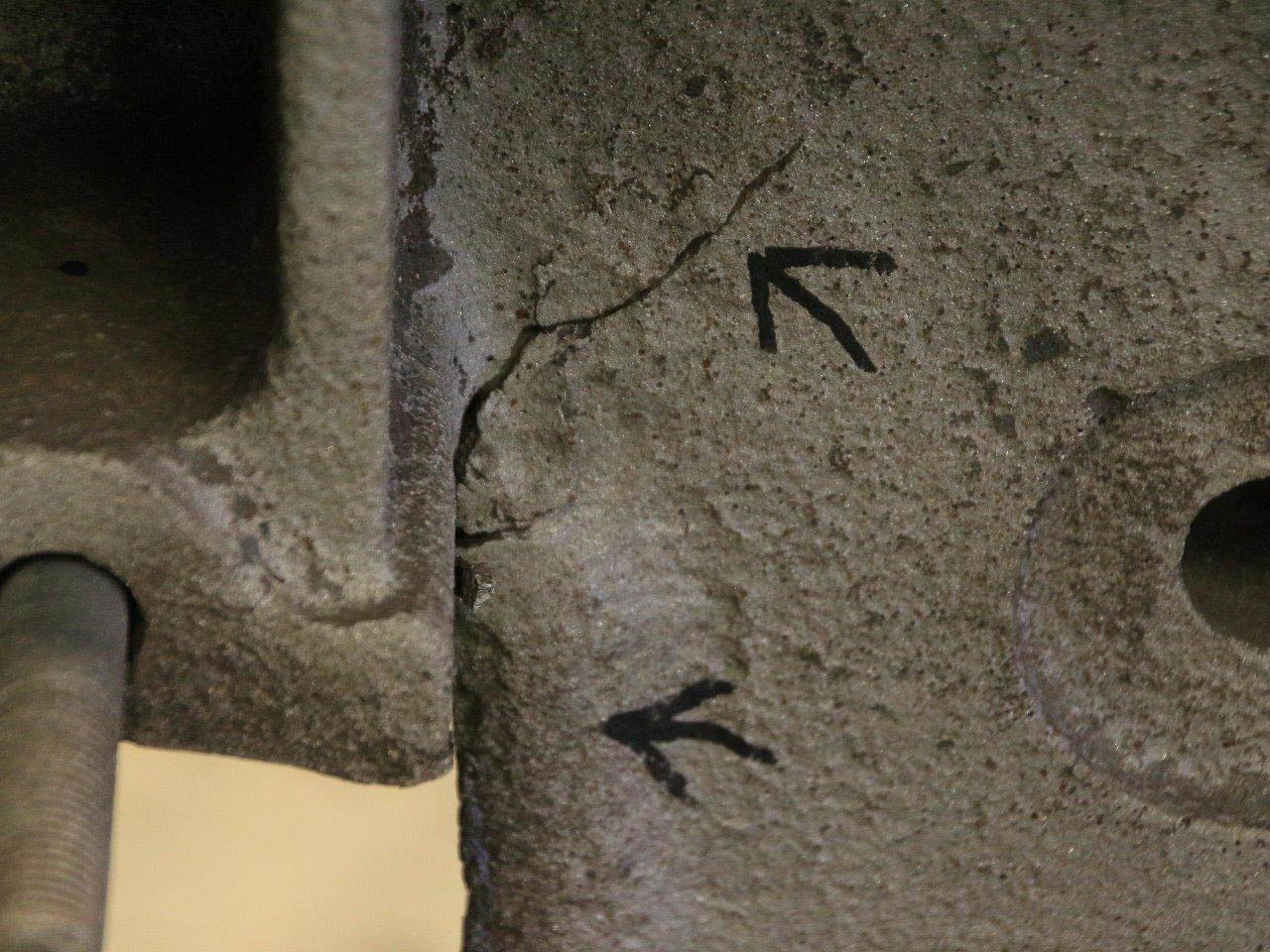
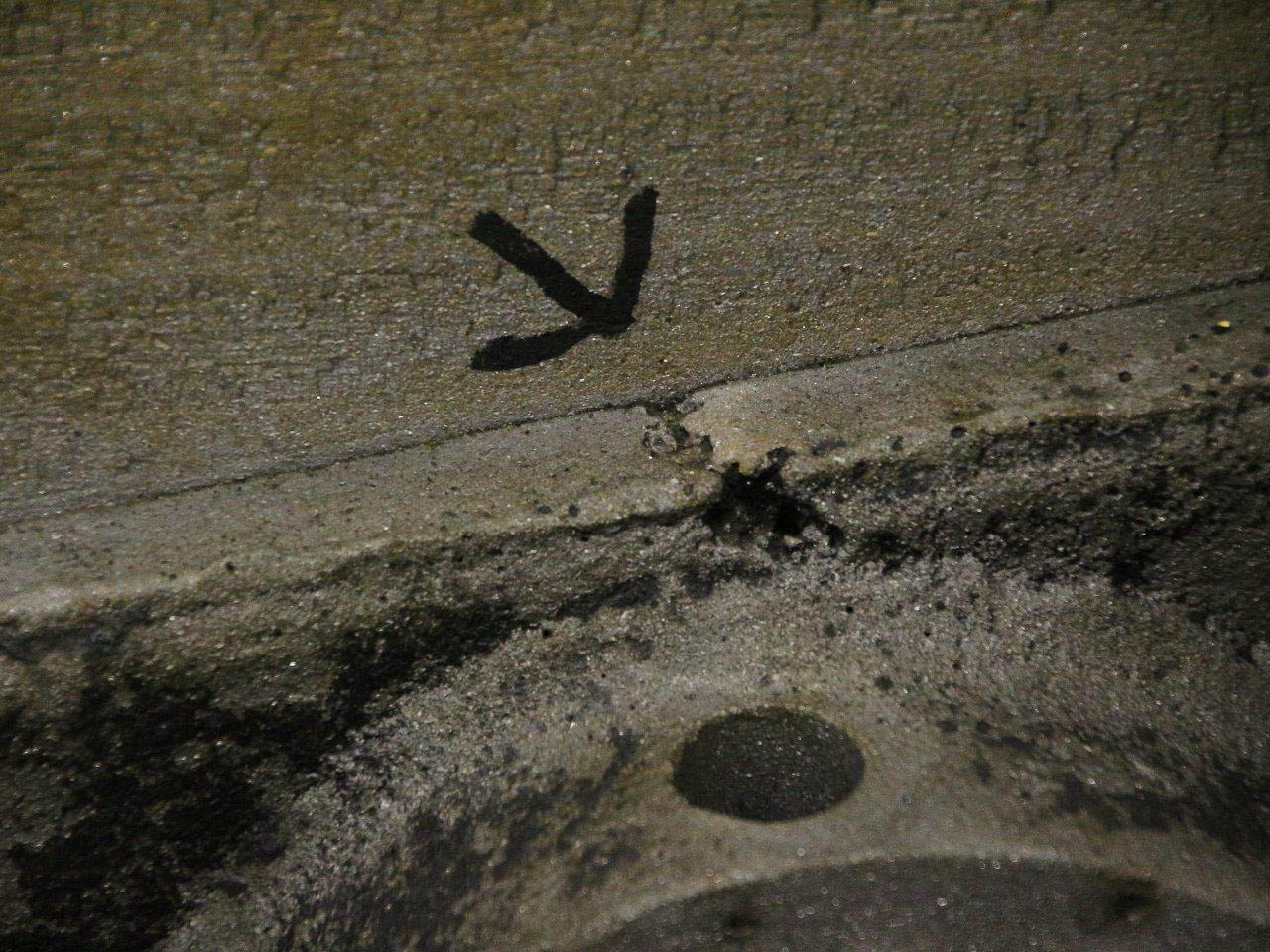
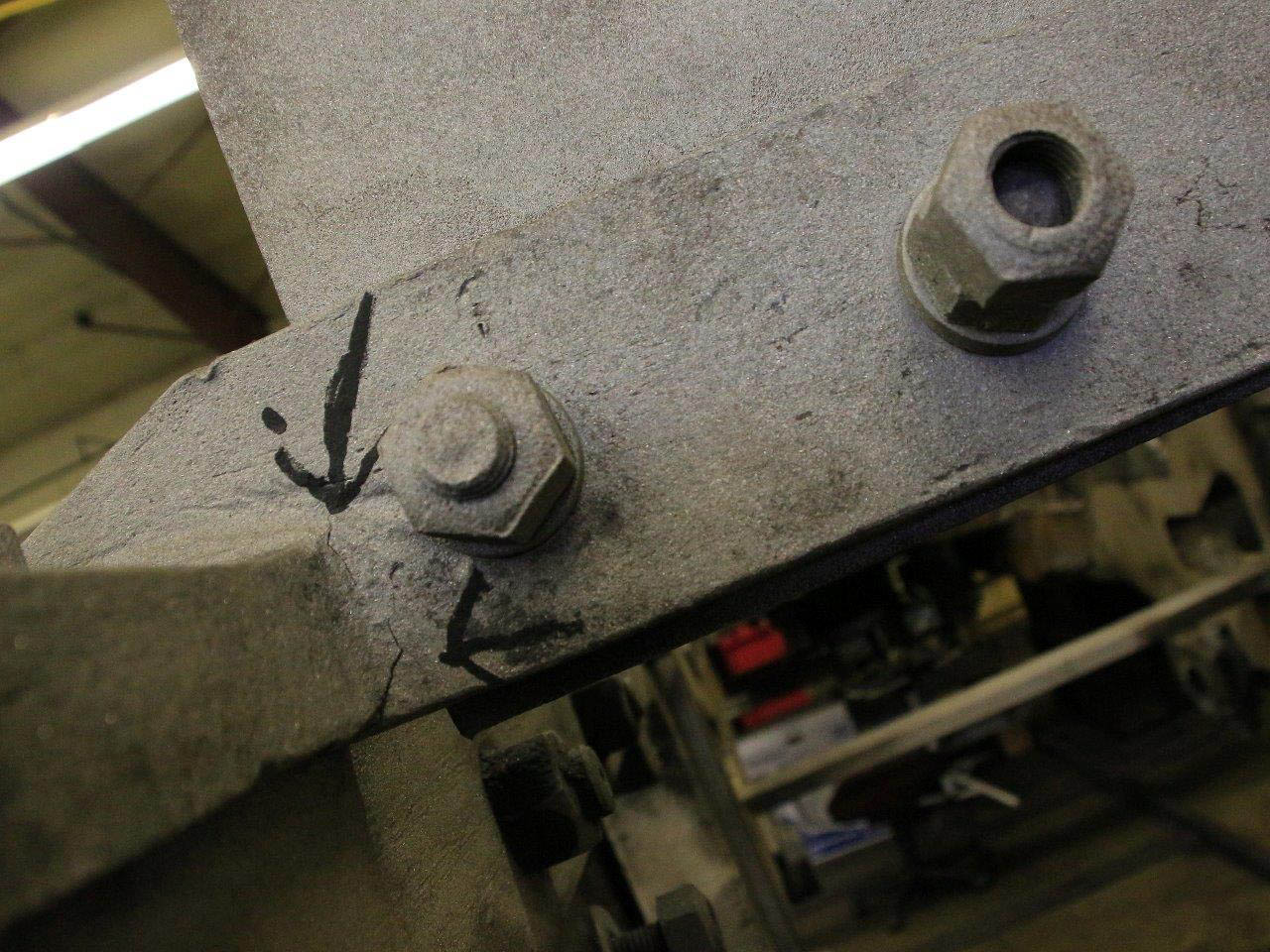
The photos catalog the extensive weld repairs completed on the locomotive’s frame over the summer (see July 1 post for additional details).
On the day of the visit, work and discussion was centered on the spring rigging equalizers. A locomotive’s spring rigging distributes the weight of the locomotive over the various wheels. Without equalizers, even small undulations in track elevation could cause substantial variations in how much weight is being supported by a given wheel. Such large variations would cause undue stresses to both locomotive and rail.
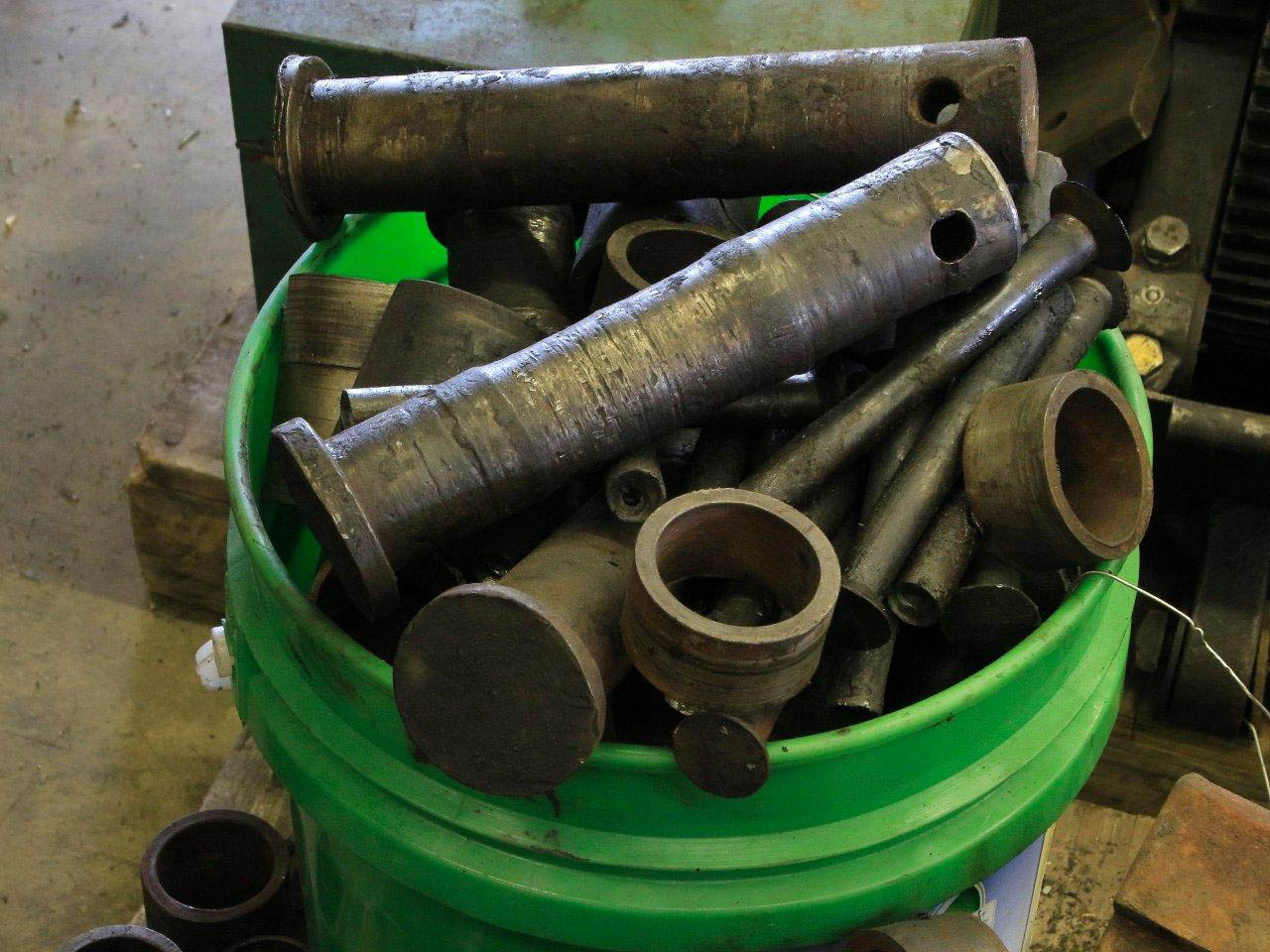
In this series of photos, you’ll also see some components in fresh, glossy black paint. After months of stripping away layers of old paint and rust from the locomotive’s parts to reveal the condition of the underlying metal, seeing fresh paint being reapplied is a welcome sight!
Mid-Continent Railway MuseumPosted on by Jeffrey Lentz
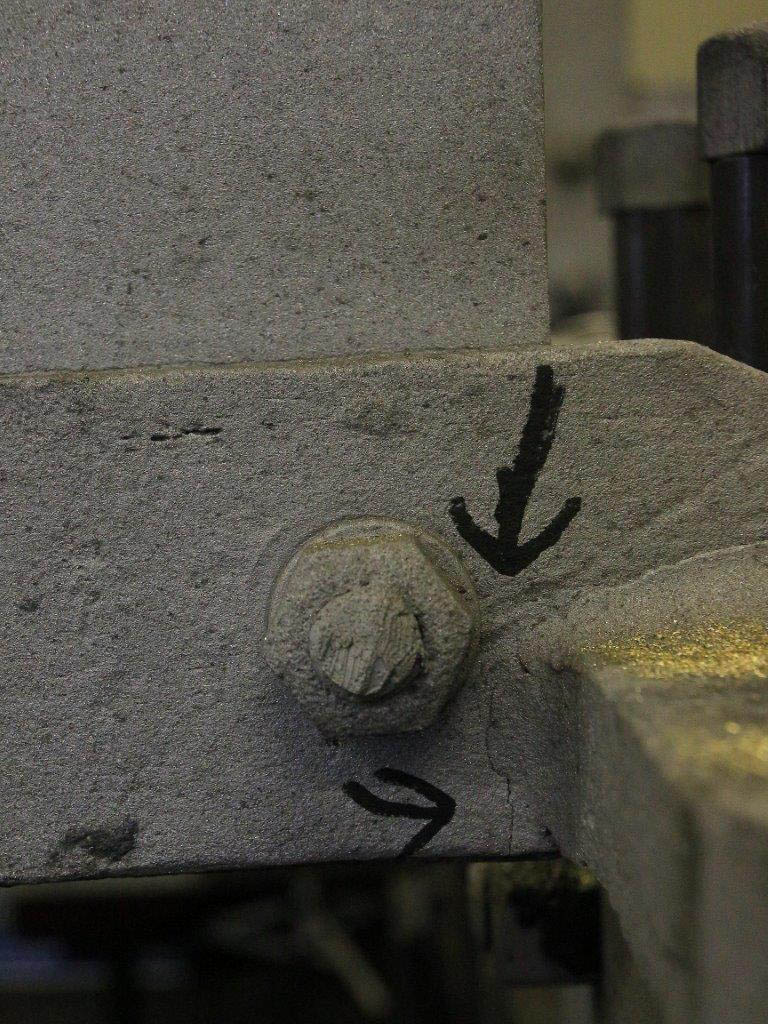
Posts to this page on the rebuild of the C&NW 1385’s has been a bit light as of late, but the same cannot be said of the type of work that is taking place on the locomotive’s running gear. This first set of photos taken in mid-May show some of the work going into the removal and marking of inside and outside wedge bars as well as inside and outside shoe bars and preparation of the frame for weld repairs.
An excerpt from a 1945 locomotive repair text summarizes:
The primary purpose of shoes and wedges are to keep the driving axles in proper alignment (perpendicular to frame), to take up lost motion between the driving box and the pedestal as wear progresses, and to prevent the pedestals from taking wear.
When the locomotive is shopped for general repairs, the frames, the pedestals, and the driving boxes are all trued up and the shoes and wedges that are badly worn or that are broken or too thin for the maximum thickness of liner applied, are replaced with new ones.
These alterations require that the shoes and the wedges be again marked off and machined so that the locomotive will be in tram.
All photos in this post our courtesy of project photographer Brian Allen.
C&NW #1385 repairs at SPEC Machine on May 13, 2014. Brian Allen photo.
C&NW #1385 repairs at SPEC Machine on May 13, 2014. Brian Allen photo.
C&NW #1385 repairs at SPEC Machine on May 13, 2014. Brian Allen photo.
C&NW #1385 repairs at SPEC Machine on May 13, 2014. Brian Allen photo.
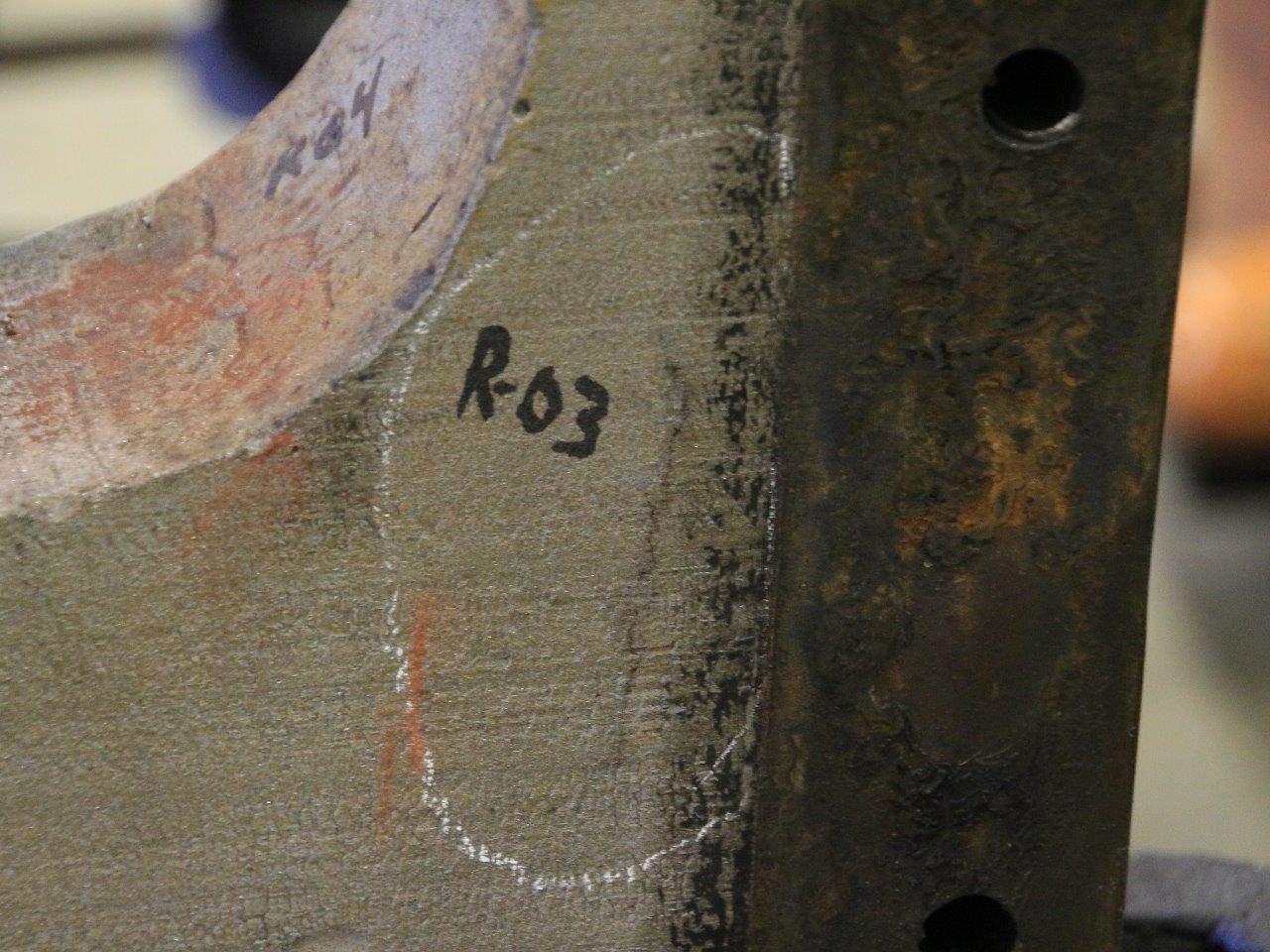
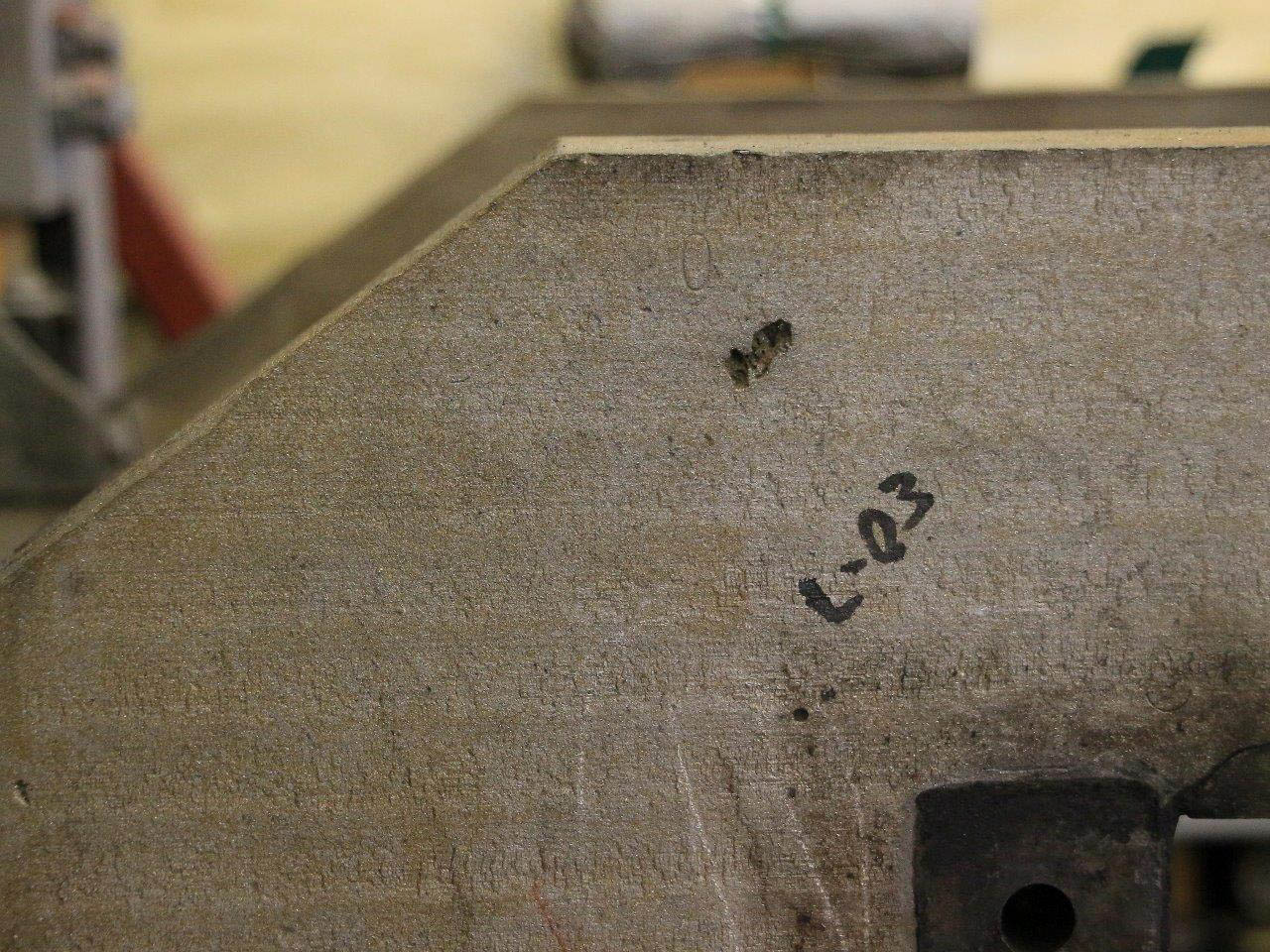
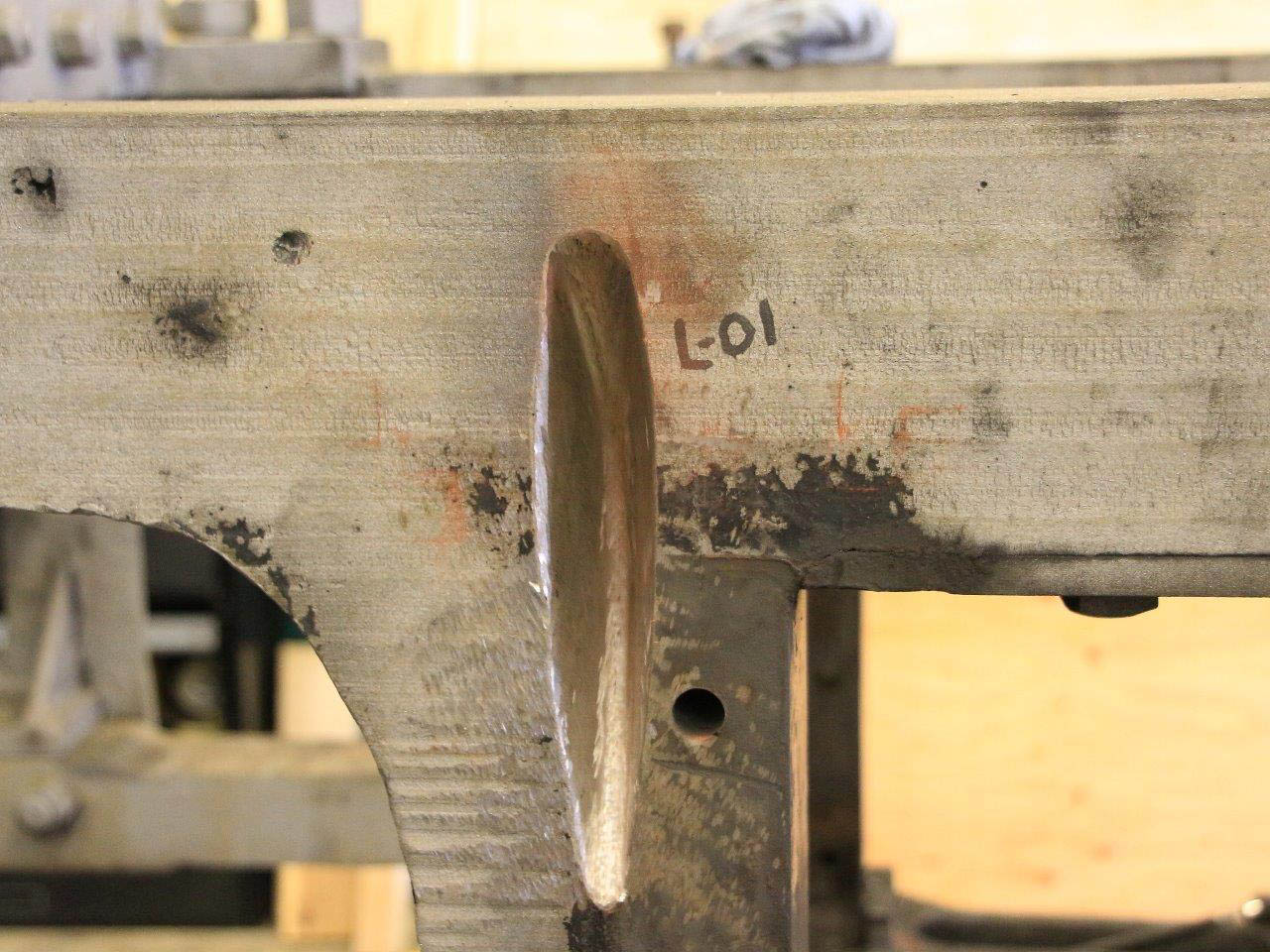
The following photoset was taken on June 25. The welding research conducted discussed in the previous post is being put to good work. As this series of photos illustrate, the 114-year-old locomotive frame has numerous cracks in need of attention and have begun being repaired. The 1385 will hopefully not need to be taken apart to this degree again for many decades, making this the opportune time to most easily conduct repairs.
C&NW #1385 restoration at SPEC Machine. June 25, 2014. Brian Allen photo.
C&NW #1385 restoration at SPEC Machine. June 25, 2014. Brian Allen photo.
C&NW #1385 restoration at SPEC Machine. June 25, 2014. Brian Allen photo.
C&NW #1385 restoration at SPEC Machine. June 25, 2014. Brian Allen photo.
C&NW #1385 restoration at SPEC Machine. June 25, 2014. Brian Allen photo.
C&NW #1385 restoration at SPEC Machine. June 25, 2014. Brian Allen photo.
C&NW #1385 restoration at SPEC Machine. June 25, 2014. Brian Allen photo.
C&NW #1385 restoration at SPEC Machine. June 25, 2014. Brian Allen photo.
C&NW #1385 restoration at SPEC Machine. June 25, 2014. Brian Allen photo.
C&NW #1385 restoration at SPEC Machine. June 25, 2014. Brian Allen photo.
C&NW #1385 restoration at SPEC Machine. June 25, 2014. Brian Allen photo.
C&NW #1385 restoration at SPEC Machine. June 25, 2014. Brian Allen photo.
C&NW #1385 restoration at SPEC Machine. June 25, 2014. Brian Allen photo.
C&NW #1385 restoration at SPEC Machine. June 25, 2014. Brian Allen photo.
C&NW #1385 restoration at SPEC Machine. June 25, 2014. Brian Allen photo.
C&NW #1385 restoration at SPEC Machine. June 25, 2014. Brian Allen photo.
C&NW #1385 restoration at SPEC Machine. June 25, 2014. Brian Allen photo.
C&NW #1385 restoration at SPEC Machine. June 25, 2014. Brian Allen photo.
C&NW #1385 restoration at SPEC Machine. June 25, 2014. Brian Allen photo.
C&NW #1385 restoration at SPEC Machine. June 25, 2014. Brian Allen photo.
C&NW #1385 restoration at SPEC Machine. June 25, 2014. Brian Allen photo.
As described in the April 6th posting, the 1385’s 63-inch driving wheels were shipped to Strasburg Rail Road for repairs at their facility which includes a wheel lathe capable of handling 1385’s drivers. More photos and info should be forthcoming, but for now here is the one photo available thus far courtesy of a Pennsylvania railfan.
One of Chicago & North Western steam locomotive No. 1385’s 63-inch drivers with tires removed at Strasburg Rail Road for maintenance and repair.
Mid-Continent Railway MuseumPosted on by Jeffrey Lentz
Work on Chicago & North Western No. 1385’s running gear has recently passed a milestone. After several months of disassembly and inspection work, the first evidence of the constructive phase on the running gear work has arrived.
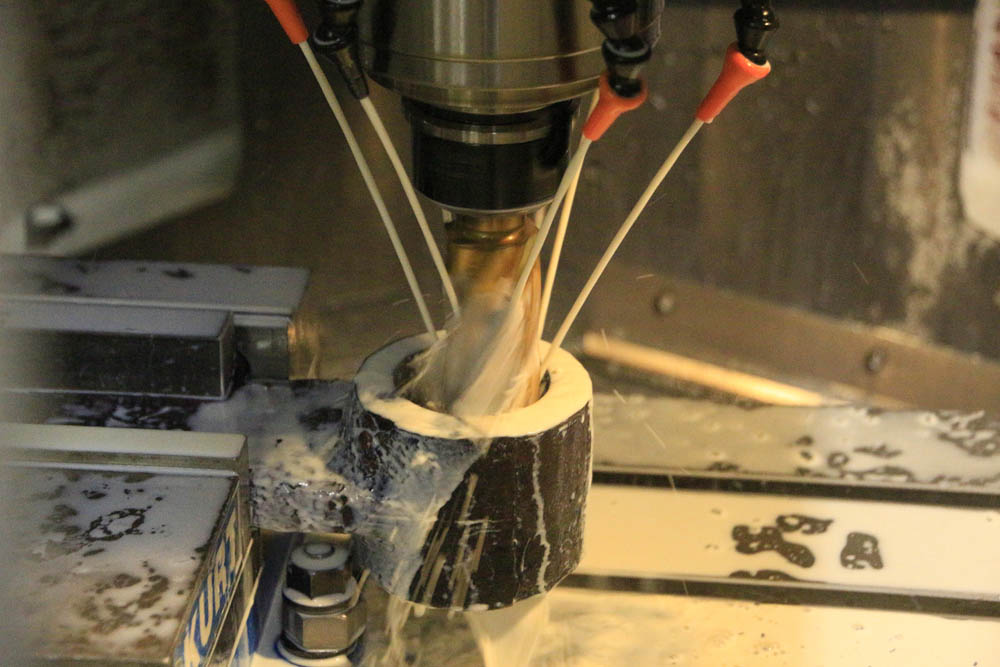
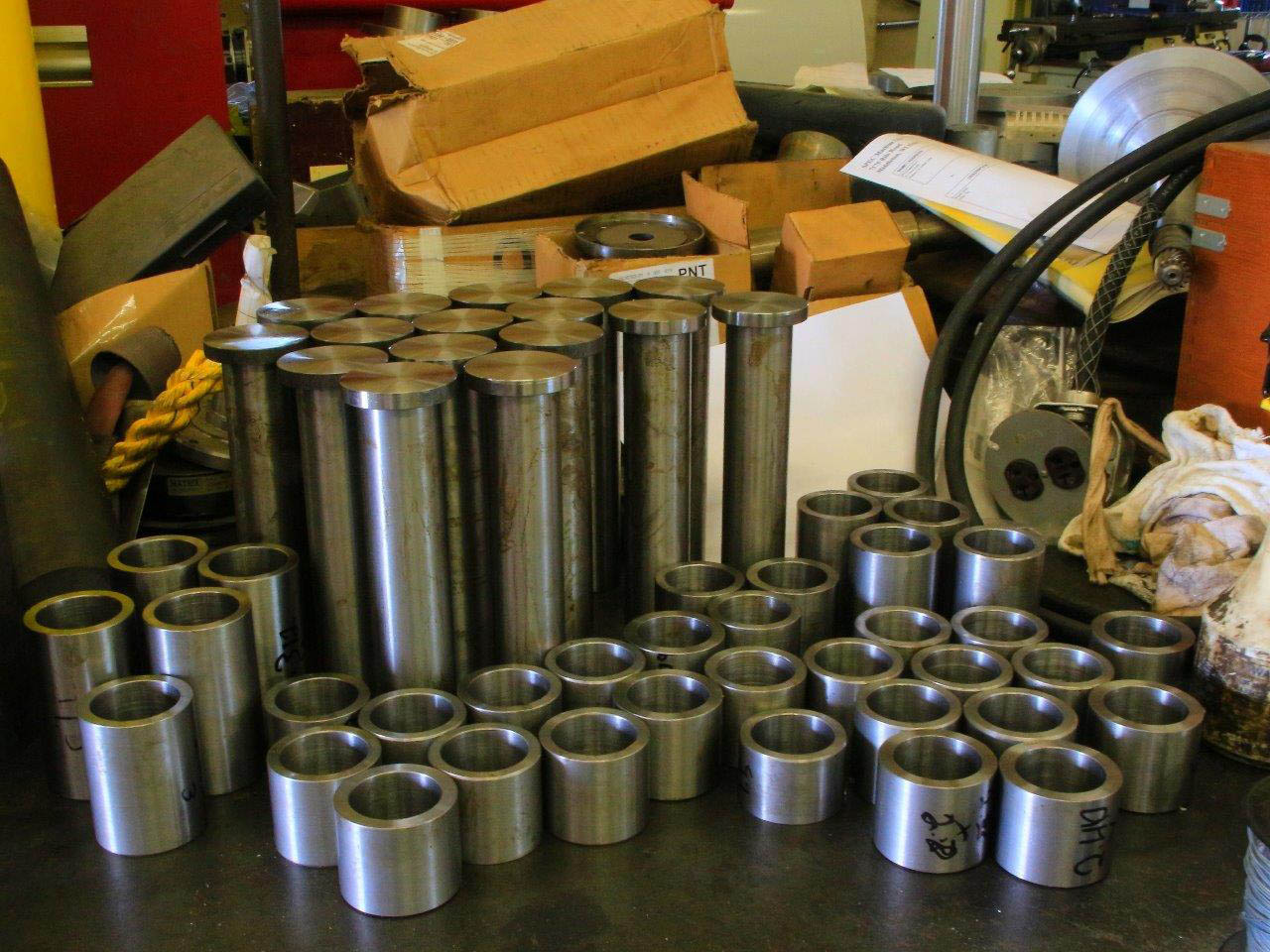
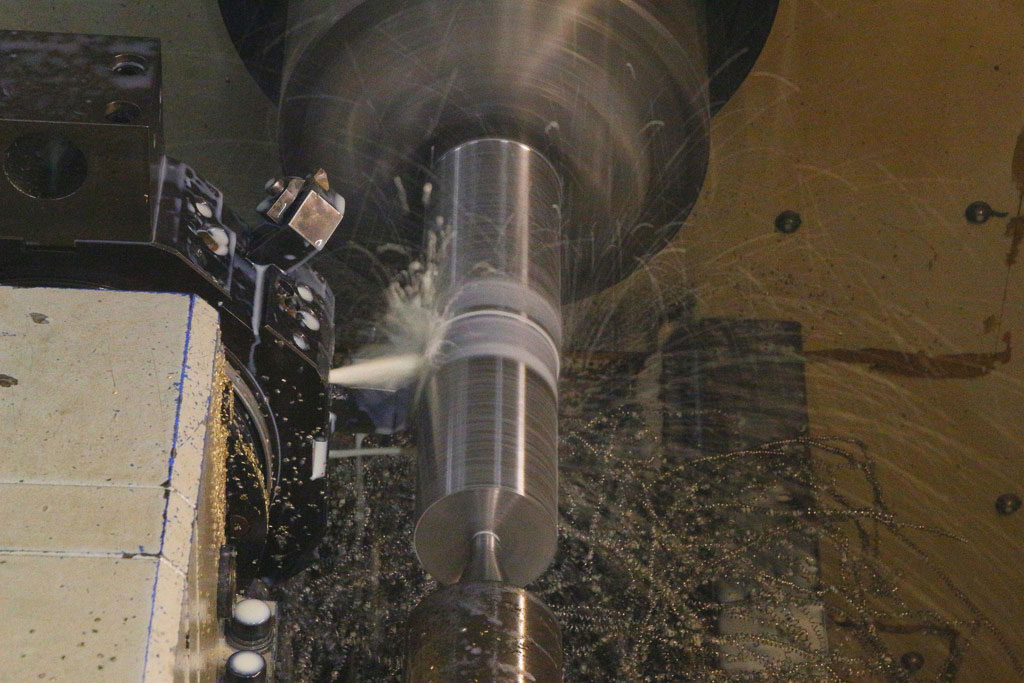
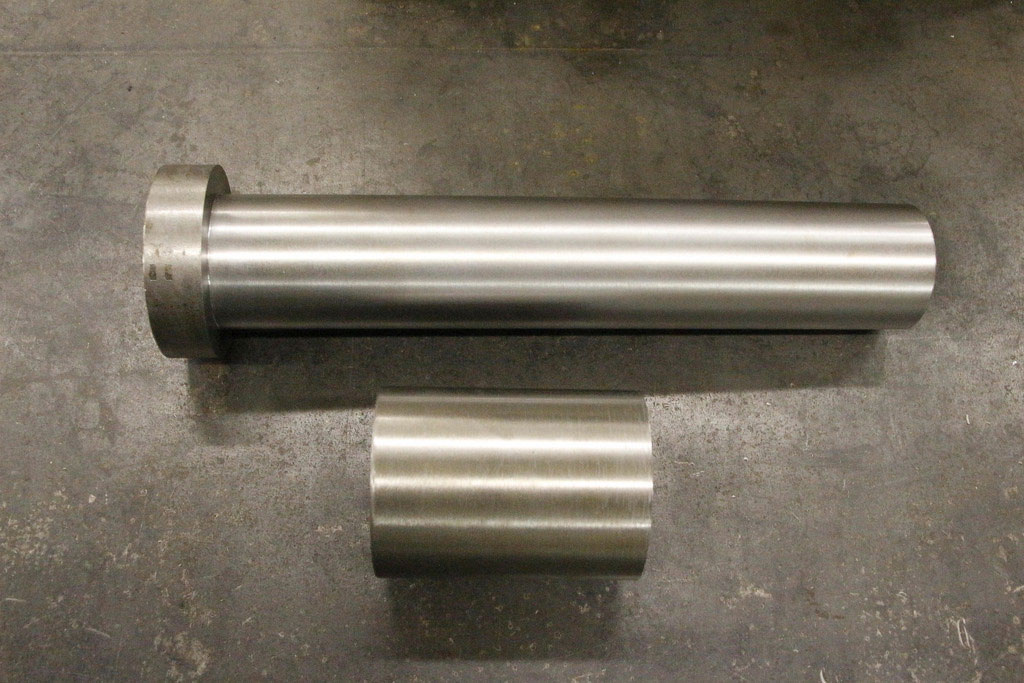
As seen in the below photos and linked photo album, a new set of pins and bushings were milled at SPEC Machine for use in the 1385’s spring rigging. A locomotive’s spring rigging consists of a series of springs, spring hangers, equalizers, spring saddles, and other components that protect the locomotive and the rail from damaging shock, like the suspension on an automobile. These first few pieces are test items being sent to a facility to be hardened to the American Locomotive Company specifications. The hardening process can cause the parts to change slightly in size, so this small sampling of test pieces will go through the complete process first before additional pieces are milled.
Spring rigging components being milled at SPEC Machine. Brian Allen photo.
Newly fabricated test pin and bushing for the spring rigging. Brian Allen photo.
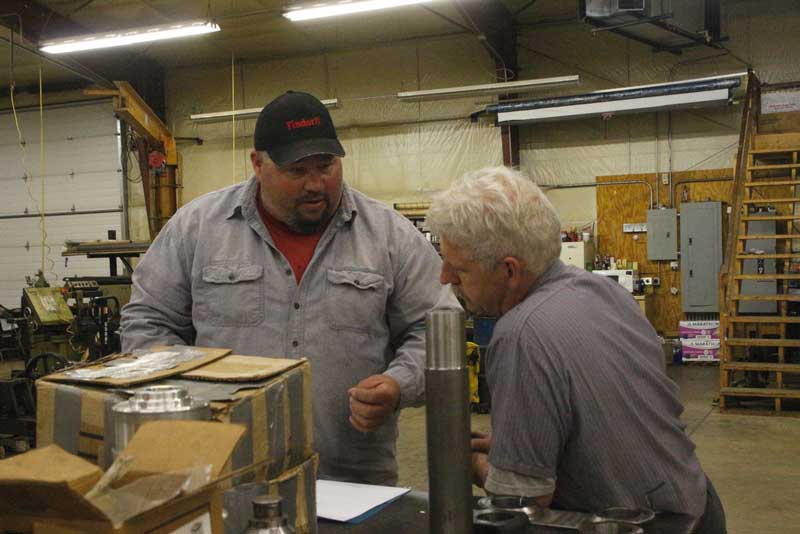
The 1385 Task Force has also recently been working with Jayson Schaller in preparation of welding tasks. Schaller is a welding expert and educator. He was first introduced to the 1385 Task Force during the museum members’ 1385 open house on April 5. Among Schaller’s talents is research and writing welding procedures.
Metallurgy has changed over time, meaning welding practices commonly known and used today are not necessarily the best practice when working on something as old as C&NW 1385’s frame. Shortly after the 1385 open house, Schaller began researching welding procedures specific to the type of steel in the 1385’s frame. His findings were turned into a report presented to the restoration team. The report will serve as the procedure guide for repairing cracks found in the engine frame so as to get the best strength and life span out of the work being completed. The 1385 team will also be tapping Schaller’s expertise for other areas of welding repair, including the driving boxes.
Jeyson Schaller (left) and SPEC Machine’s Steve Roudebush (right) discuss the welding research. Brian Allen photo.
More photos available on Brian Allen’s Flickr album.
Contains information related to marketing campaigns of the user. These are shared with Google AdWords / Google Ads when the Google Ads and Google Analytics accounts are linked together.
90 days
__utma
ID used to identify users and sessions
2 years after last activity
__utmt
Used to monitor number of Google Analytics server requests
10 minutes
__utmb
Used to distinguish new sessions and visits. This cookie is set when the GA.js javascript library is loaded and there is no existing __utmb cookie. The cookie is updated every time data is sent to the Google Analytics server.
30 minutes after last activity
__utmc
Used only with old Urchin versions of Google Analytics and not with GA.js. Was used to distinguish between new sessions and visits at the end of a session.
End of session (browser)
__utmz
Contains information about the traffic source or campaign that directed user to the website. The cookie is set when the GA.js javascript is loaded and updated when data is sent to the Google Anaytics server
6 months after last activity
__utmv
Contains custom information set by the web developer via the _setCustomVar method in Google Analytics. This cookie is updated every time new data is sent to the Google Analytics server.
2 years after last activity
__utmx
Used to determine whether a user is included in an A / B or Multivariate test.
18 months
_ga
ID used to identify users
2 years
_gali
Used by Google Analytics to determine which links on a page are being clicked
30 seconds
_ga_
ID used to identify users
2 years
_gid
ID used to identify users for 24 hours after last activity
24 hours
_gat
Used to monitor number of Google Analytics server requests when using Google Tag Manager