Update from Jason R. on the recent Dardanelle & Russellville #9 cosmetic restoration work session. 🚂
“We had a small crew get together this past Saturday (March 21, 2026) to kick off 2026. The weather was wonderful, but Fletcher was noticeably absent as he now has a job that pulls him away from other priorities. Fortunately, Jay S. was able to round out our small team for the day.
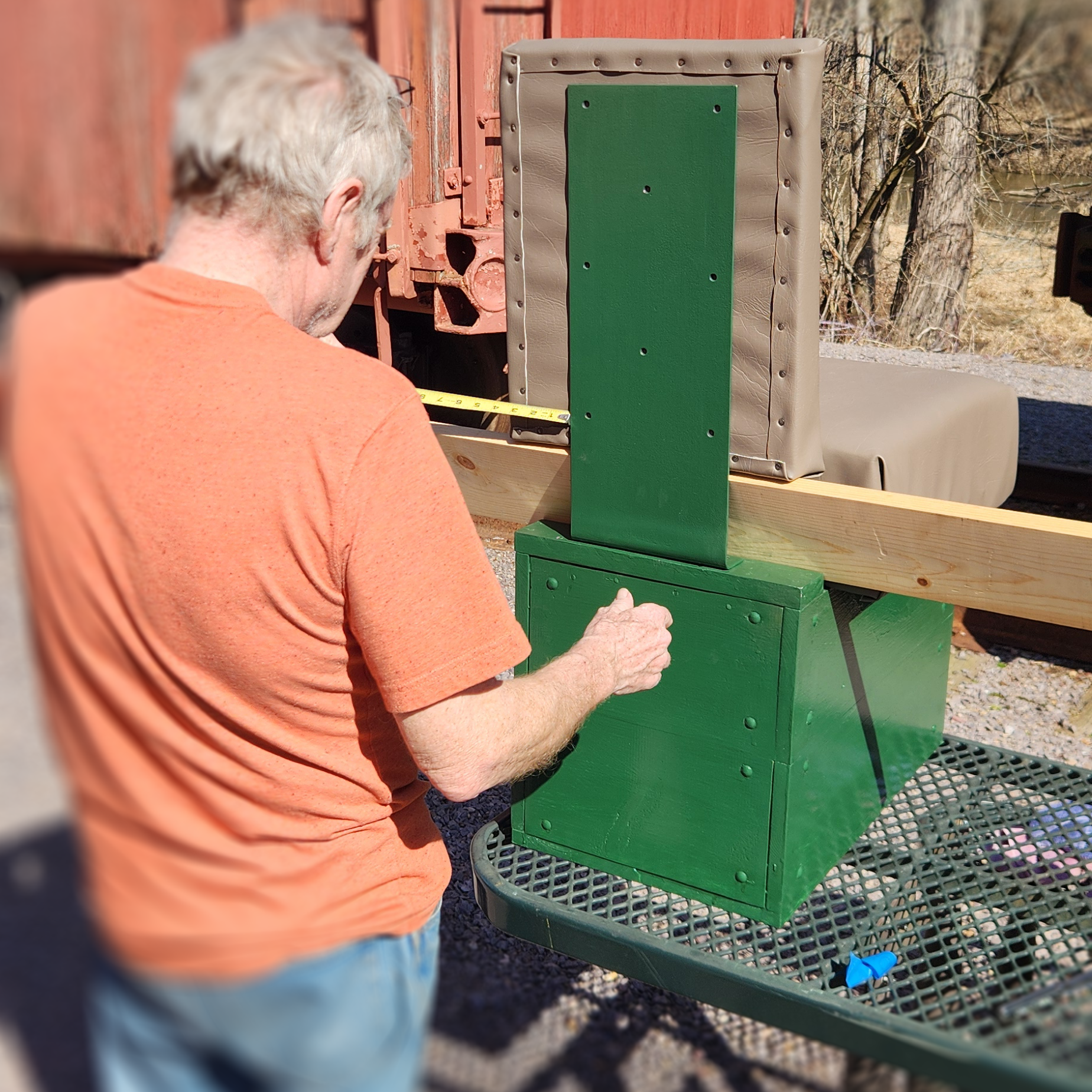
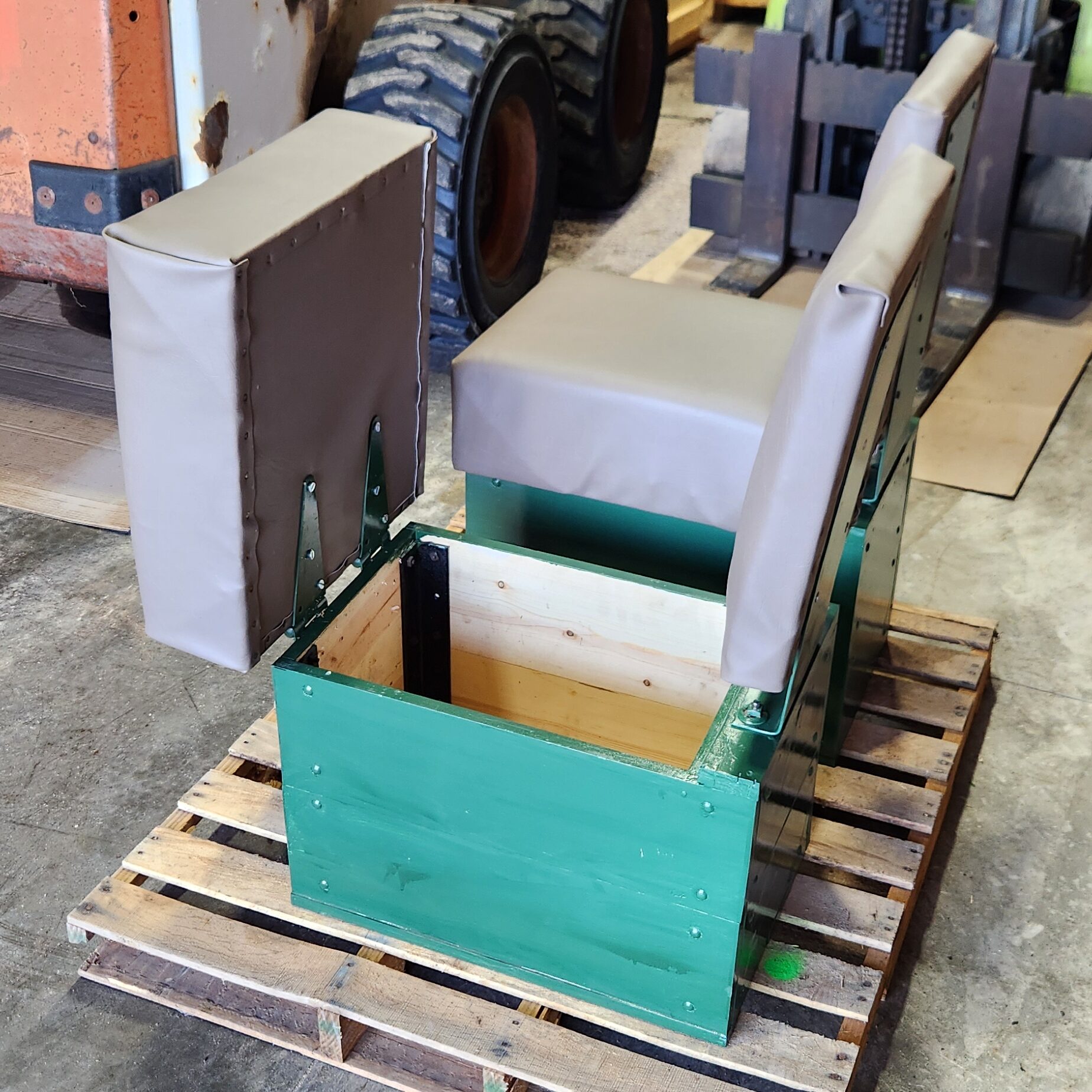
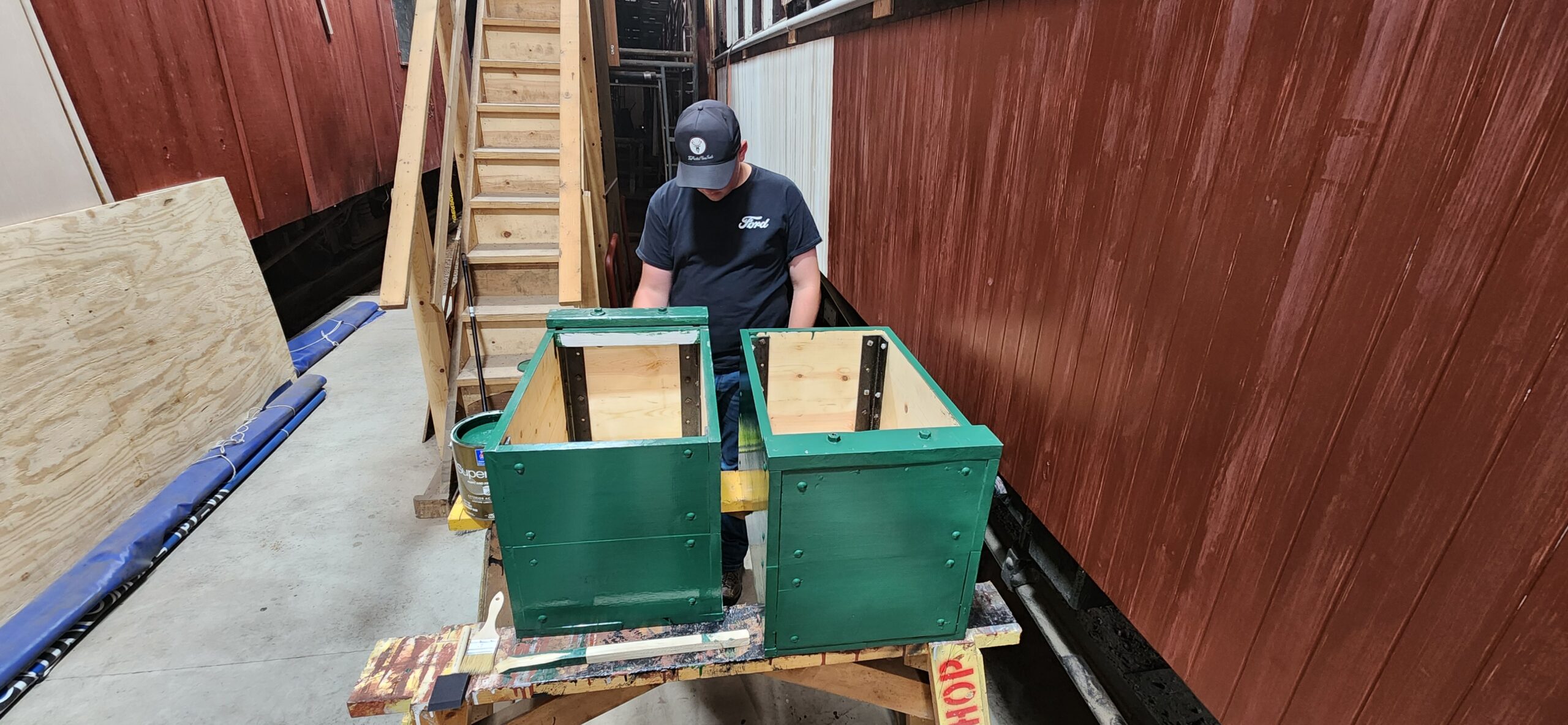
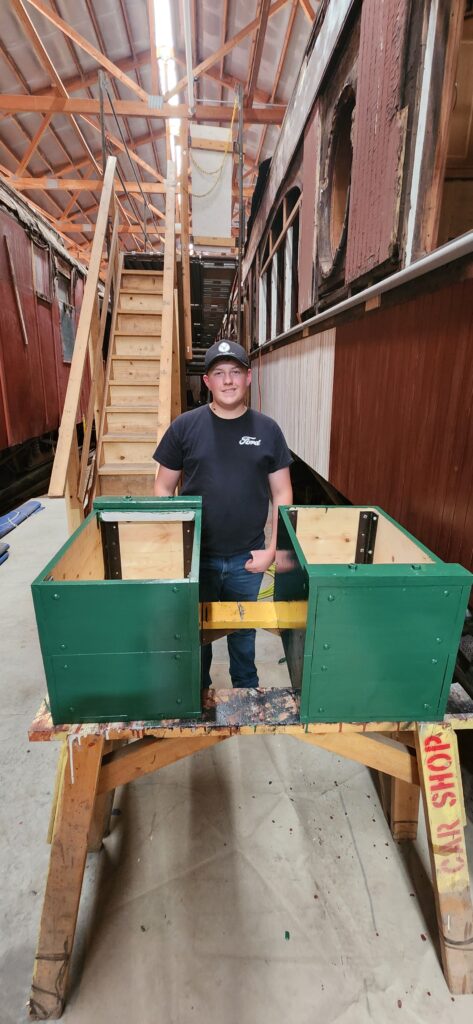
We had one simple goal this work session, and that was to complete the #9 seat boxes. A small but noticeable detail of the locomotive. With fresh coats of paint on the wood and the metal hardware of the disassembled seats, Jay and I got to work gathering all the parts and the tools needed to assemble. We decided early on to assemble these seats using slotted screws. Ultimately, the seats came together, and the choice of screws looked good on the completed boxes.
We received help getting the seats up to storage, as they were significantly heavier assembled than as individual pieces. The seats were checked in and now await installment back in the cab.
Overall, a great day, and many thanks to Jay S. for his help, and to Bill B. as always for his guidance. Another friendly reminder as we move into 2026, we still have a long way to go on the cosmetic restoration of the D&R #9. With your help, we can continue making her a piece that always turns heads at Mid-Continent. Please consider donating to the #9 restoration fund. Thank you.”
If you would like to make a donation to the D&R #9’s cosmetic restoration fund, you’ll find details on ways to contribute below:
• Donate online using the button below. • Donate by phone through our museum’s office: 608-522-4261 • Mail your donation: Mid-Continent Railway Museum, P.O. Box 358, North Freedom, WI 53951 (Write “D&R #9” in the memo line.)
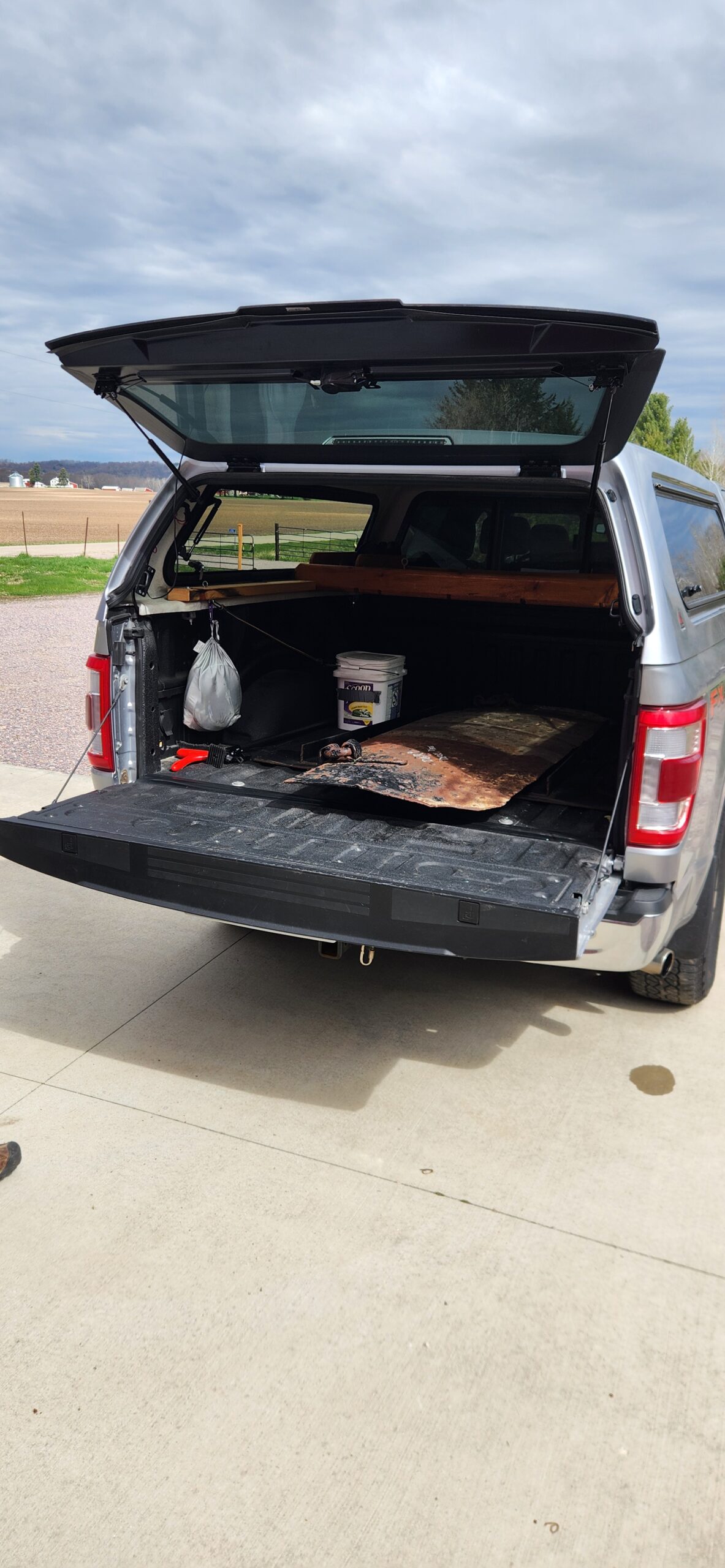
“After a long winter, we are happy to report work has begun once again on the cosmetic restoration of the D&R #9. The first work session was small and generally uneventful, but with the crew consisting of Fletcher, myself, and Tyler D, we got to work, “prepping the battlefield,” so to speak, for the next big operation. One of those next big operations on the radar is lash up of the tender and locomotive. To make that happen, we located the tender pin, deck plate, and riser, and moved them to the locomotive. Next, we began double checking the moisture levels of our pilot timbers, identifying imperfections in the wood, marking them, and re-calculating our “usable” stock. Finally, we did some coordination with the museum for future moves and then we were calling it a day. Nothing too crazy for our first session of 2025, but it’s moving us in the right direction. As Tyler put it, “Progress is progress, no matter how small.” Please stay tuned for future dates of our work session and come join us if you can.”
“As I am sure you are aware, the month of June started off with cool temps and dry conditions, and is ending with hot temps and rain, SO big changes from start to finish. We are also seeing big changes with the #9 here in June.
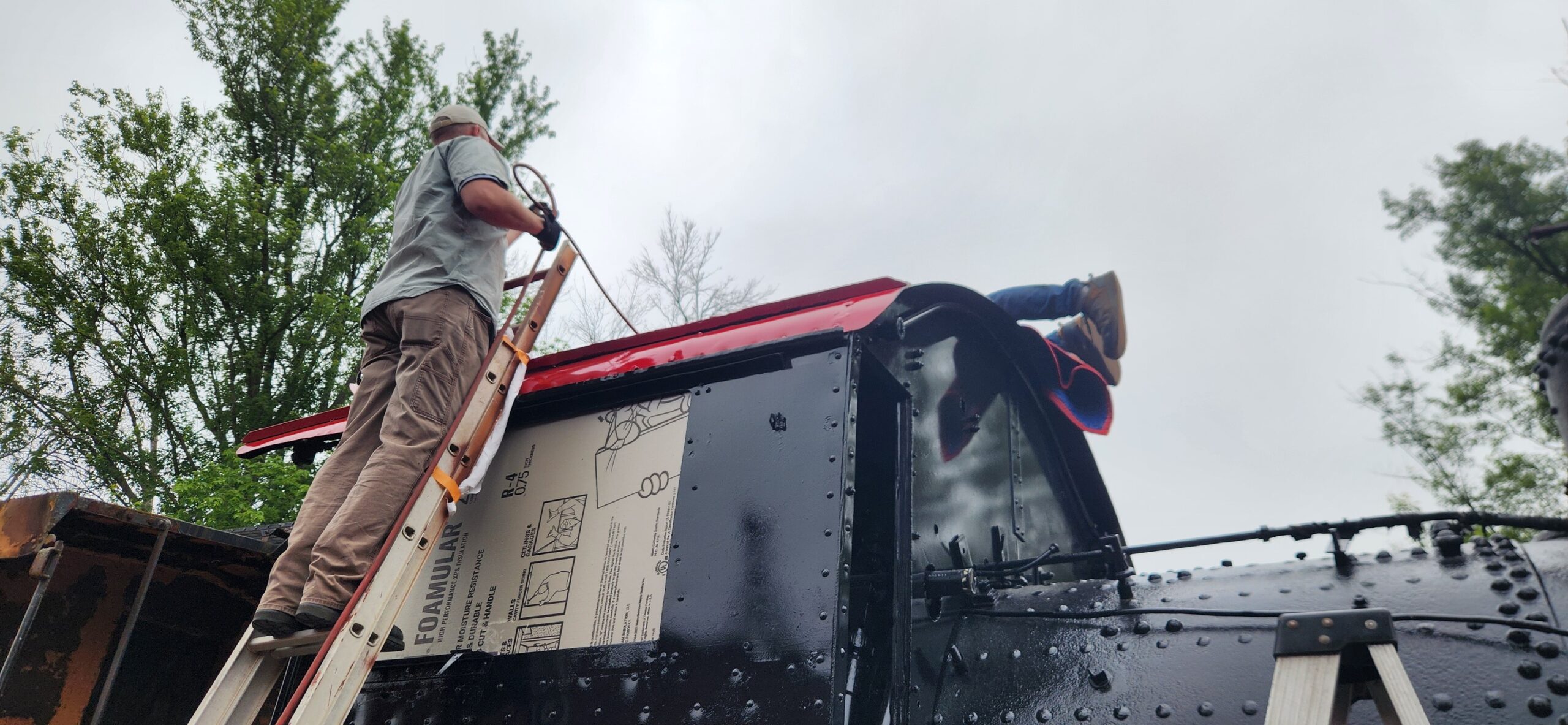
On Saturday June 14, Fletcher and Chris B. rallied at the #9 where they did a great job sealing the cab roof on the locomotive. They sealed holes, cracks, and gaps to keep rain and snow melt OUT of the Cab. For many years, moisture has been able to penetrate the roof and affect the wood and other materials inside the cab. This brings us one step closer to sealing the cab off from the elements and protecting the materials inside for restoration. Once that was completed, Fletcher and I retrieved a paint sample that Bill B. graciously provided, and we acquired the paint needed for the box seats. We were hoping to get the paint on the seats, but ran out of time, so we “kicked that can down the road”. Many thanks to Chris B. for getting this done.
On Wednesday June 18, during the “All-Hands on Deck” work session put on by the Restoration Dept. Bill B. and Fred B. literally picked up that can Fletcher kicked down the road and applied a beautiful green coat of new paint on the locomotive seat boxes. Many thanks for Bill and Fred for helping us out. You are always welcome on the #9 crew.
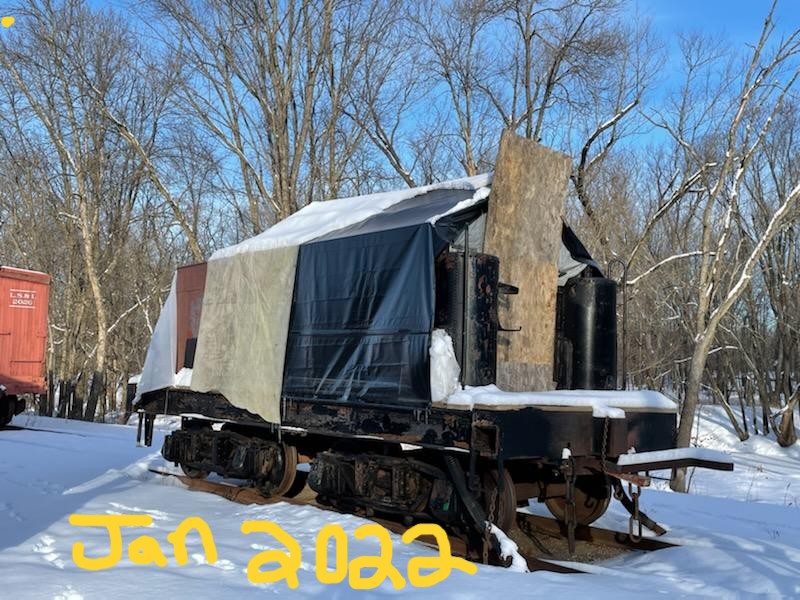
On Saturday June 21, we had one of the most exciting events since last year. Ed R. and the operations crew hooked on to the #9 and then re-united the tender and locomotive for the first time since about January of 2022. Seeing them together was such a jolting reminder of where we were, what we have accomplished, and what we still have left to do. June sure was a successful month for the #9. Fletch and I hope the remainder of the summer is just as productive for both the #9 and the rest of the museum.”
-Fletch and Jason R.
If you would like to donate toward this project, please consider making a donation via the button below.
“Fletcher’s crew was not able to coordinate a work session in July, but we pulled a small one together here at the beginning of August.
This last Saturday, Fletcher, Steve P., and I met for a quick huddle at the #9’s old location at the end of the car shop. It was an odd site to all of us not seeing our half-painted locomotive where it had sat for the last 5+ years. Once a good plan was devised, we headed out to the car shop where Fletcher was able to apply the last coat of paint on the locomotive seat boxes.
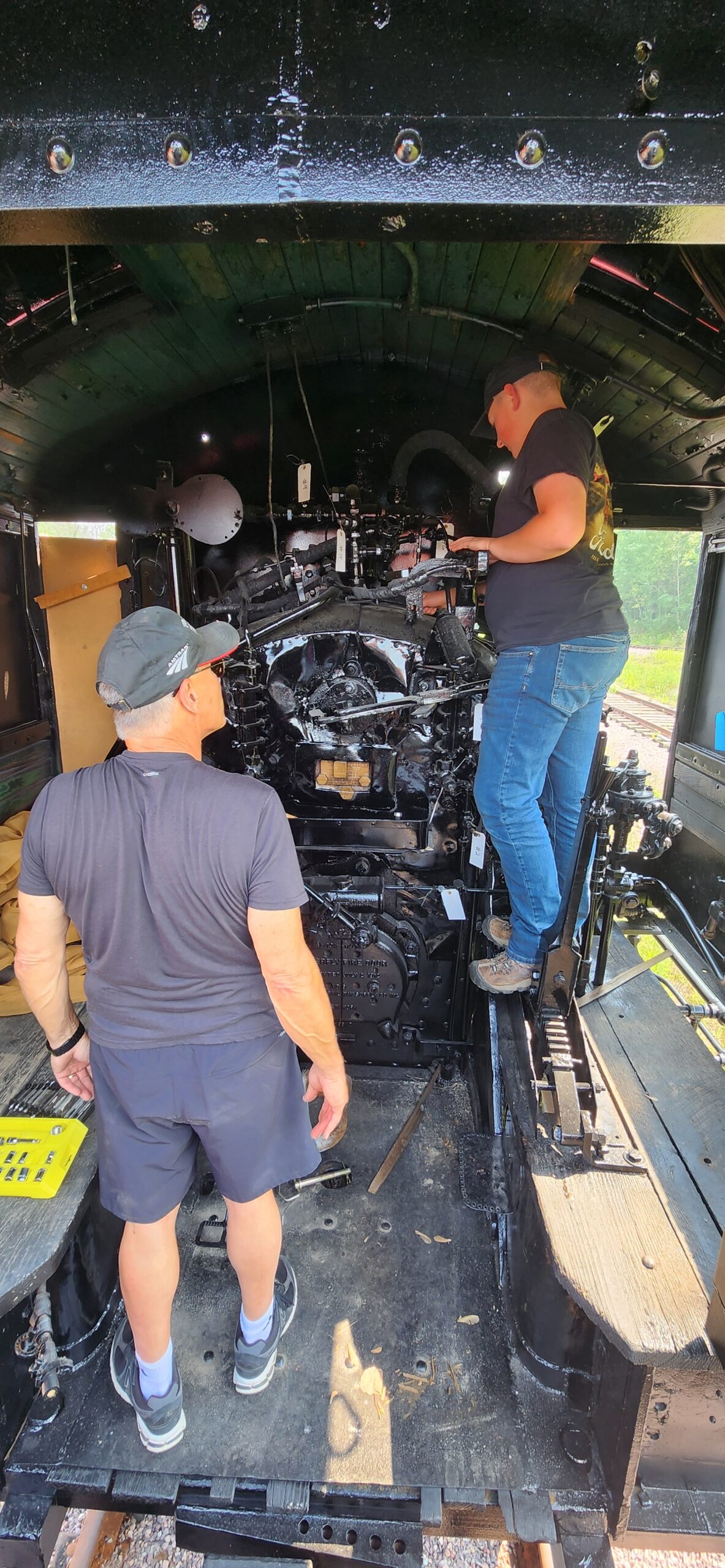
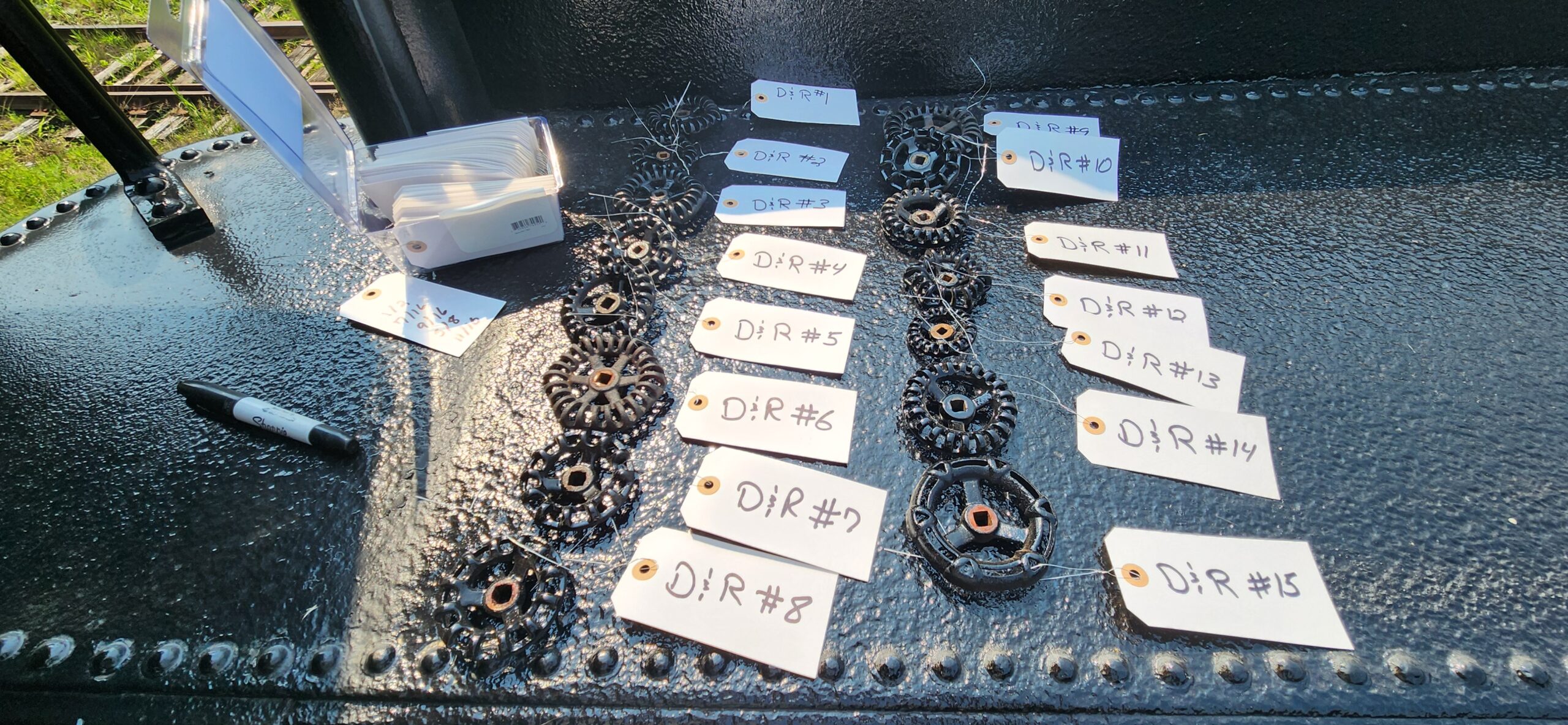
As the seat boxes were drying, we headed over to the #9’s new location, with the tender AND locomotive back together again. There we climbed into the cab where Fletch and Steve removed all the gate valves we could access. We meticulously and deliberately marked all valves for accurate replacement in the future. Our hope now is to get these painted and back in the cab in the coming months.
As we stood in the cab working on those valves, the 3:00 PM train rolled by loaded with riders on its way out of the museum. As usual, I stopped what I was doing to offer a friendly wave to those railroad lovers, young and old. My heart was full when I noticed one rider catch the attention of her son, or maybe grandson, as she frantically swung her arm around him to point out the #9 as they passed by. It was easy to see she wanted to make sure he noticed before it was too late. With her arm stretched out pointing directly at us, I hoped the drastic difference between the clean tender and shiny cab was a sight to see when compared to the rusty and bare boiler. In my mind, it was a good reminder of where we were, and how far we have come.
As we wrap up this August work session, I want to remind all we still have a long way to go on the cosmetic restoration of the D&R #9. But with your help, we can continue making her a piece that always turns heads in both adults and kids that visit Mid-Continent. Please consider donating to the #9 restoration fund via the button below.
[UPDATE: The volunteer session has been moved to Sunday, September 15, 2024]
By the time you read this post, you may have figured out where the D&R #9 was moved to on Sunday August 4. You might not have realized that Fletch was taking the #9 out for a little vacation and makeover. Yes, that’s right; after sitting since the early 1990’s, he thought she could use a makeover.
On Thursday 8/8, Fletch and his crew helped spot the #9 outside the Engine House, where they started preparing her for the next day’s activities. It was an overcast, cool, and windy day, but it was appreciated as we worked to pack rags in all the nooks and crannies under the cab, boiler, and smoke box. Tarps and sheets were meticulously laid over the Cross Head Guides and Piston Rods. Supplies were delivered, inventoried, and organized. That night, the #9 waited outside the Engine House while Fletcher’s team enjoyed and evening of fellowship, laughs, and hot dogs.
Friday 8/9 is what we eventually referred to as “Beach Day”. It was warm, sunny, and we had plenty of sand. Yes, 4000 pounds of sand to be precise. We assembled scaffolding, set up ladders, and Chris Burdick got to work blasting off decades of old paint, primer, and rust. Blasting started around Noon, and Fletch, Steve Pahl, and I fed 50-pound bags into the blower as fast as we could, finally finishing up around 8pm. As this is the “Year of the Cab”, we cleaned up the entire cab, inside, out, top, bottom, and a bit forward to the first dome. Once we had blown her off with air, we put her away for the night to be protected from the early morning dew.
Saturday 8/10 was her official “makeover” day. Fletcher received a great chemistry lesson from Chris B. showing him how to mix primers, hardeners, and reducers for the day’s work. As Chris climbed up and down, in and out, and then again up and down the cab about a thousand times, the whole crew worked tirelessly to ensure efficiency by moving ladders, refilling paint guns, and keeping hoses from getting hung up as the primer was laid down. We also saw a lot of interest throughout the day and weekend as museum visitors stopped by to see what was going on. We were happy to have them and enjoyed filling them in on the history of the museum, the #9, and the transformation we were taking her through. We pushed hard as the shadows started to get long, and by early evening were applying a beautiful coat of red on the roof. Fletcher’s mom drove down to the museum that afternoon, and was able to join us right before we started working on the cab roof. From her perspective (as she watched the progress) she said it looked like we were “making her a redhead”. At the end of Saturday, the Cab of the #9 looked NOTHING like it used to, but it wasn’t done yet. We pulled her back into the Engine Shed for protection from the evening dew, and called it a day.
Sunday 8/11 was crunch day. We needed to get the final coat of paint on AND the final clear coat before we could officially label this job done. We worked hard right out the gate and got the new roof covered, and got right to applying the final paint. Fletch continued his work mixing, and quickly garnered the nickname “Picasso” from his father. Chris continued his ladder Olympics and before we knew it the paint was fully applied. After a short dry time, we removed the covering over the roof, and quickly started applying the clear coat over ALL the work that had been done up to this point. This part of the job was a bit more tedious, simply because we had to plan out every step to ensure footprints were not left on the new paint before the clearcoat went down. By mid-evening, she was DONE and looked amazing. We couldn’t believe the transformation. But seeing is believing. Grab a friend and head on down to the museum to take a look yourself.
This was a HUGE job, and there are so many people that helped to make it happen. Fletcher wants to send a big thank you out to Steve P., Chris B., Tyler D., Jay S., Nate, Mandi R., Bill B., Allen D., Bob D., Grant, Colton, Fred V., Kevin P., Jeff L., Andy S., and anyone else we may have forgot to mention. Thank you SO much to ALL of you. All of these awesome volunteers helped in a variety of ways, and we are so blessed that you lent a hand.
Finally, Fletcher wants to know if you are as excited as he is that we just knocked this project out of the park? If so, PLEASE consider donating to the #9 restoration fund, so that we can continue pushing forward with a full head of steam. As you can see from the pictures, we have a good portion of the locomotive to complete in the next couple of years. We also have outstanding items to clean up from this year, so anything you can help with would be very much appreciated. Please pass the word to friends, community organizations, or any other generous member that might want to help get the D&R #9 restored.
For a little motivation, Fletcher wanted to tell you about his 4H club; they recently saw some of our family Facebook posts about our work on the #9, and at their next meeting, all the kids took up a vote and approved to help with the restoration at Mid-Continent. This weekend the Orange Mill 4H club will be running their food booth at Hustlerfest in Hustler, WI. They will be donating all tips received towards restoration of the #9. So that’s pretty cool.
Our next volunteer session will take place on Saturday 9/14/2024 starting at 10:00 AM. [UPDATE: The volunteer session has been moved to Sunday, September 15, 2024]
– Jason R.
If you would like to help Fletch and his team continue this project, please click the button below:
Contains information related to marketing campaigns of the user. These are shared with Google AdWords / Google Ads when the Google Ads and Google Analytics accounts are linked together.
90 days
__utma
ID used to identify users and sessions
2 years after last activity
__utmt
Used to monitor number of Google Analytics server requests
10 minutes
__utmb
Used to distinguish new sessions and visits. This cookie is set when the GA.js javascript library is loaded and there is no existing __utmb cookie. The cookie is updated every time data is sent to the Google Analytics server.
30 minutes after last activity
__utmc
Used only with old Urchin versions of Google Analytics and not with GA.js. Was used to distinguish between new sessions and visits at the end of a session.
End of session (browser)
__utmz
Contains information about the traffic source or campaign that directed user to the website. The cookie is set when the GA.js javascript is loaded and updated when data is sent to the Google Anaytics server
6 months after last activity
__utmv
Contains custom information set by the web developer via the _setCustomVar method in Google Analytics. This cookie is updated every time new data is sent to the Google Analytics server.
2 years after last activity
__utmx
Used to determine whether a user is included in an A / B or Multivariate test.
18 months
_ga
ID used to identify users
2 years
_gali
Used by Google Analytics to determine which links on a page are being clicked
30 seconds
_ga_
ID used to identify users
2 years
_gid
ID used to identify users for 24 hours after last activity
24 hours
_gat
Used to monitor number of Google Analytics server requests when using Google Tag Manager